HERACLITUS OF EPHESUS
HERACLITUS OF EPHESUS
Fragments
Fragments
The philosopher who saw the world as an ever-living fire

Discover what’s inside the box
Discover what’s inside the box
Details that make
the difference:
Details that make
the difference:

Bilingual edition
Ancient Greek and English, fragment by fragment: Diels's 1922 Greek first, the English translation after it, and the commentary right below, so every word discussed can be checked.
Ancient Greek and English, fragment by fragment: Diels's 1922 Greek first, the English translation after it, and the commentary right below, so every word discussed can be checked.
Supporting texts
The nine pseudo-Heraclitean epistles in Greek and English, apocryphal but the first portrait antiquity left of him, alongside the author's prologue and an epilogue tracing the logos after Heraclitus.
The nine pseudo-Heraclitean epistles in Greek and English, apocryphal but the first portrait antiquity left of him, alongside the author's prologue and an epilogue tracing the logos after Heraclitus.
Editorial apparatus
273 endnotes identifying ancient sources and textual variants, a commentary on each of the 150 fragments, an appendix in Diels-Kranz order with each fragment's ancient source, a bibliography and an index.
273 endnotes identifying ancient sources and textual variants, a commentary on each of the 150 fragments, an appendix in Diels-Kranz order with each fragment's ancient source, a bibliography and an index.
Translation
Augusto C. Fleck's translation and commentary, rendered into English with his interpretive choices preserved and checked against Diels's 1922 Greek text printed here.
Augusto C. Fleck's translation and commentary, rendered into English with his interpretive choices preserved and checked against Diels's 1922 Greek text printed here.
Hardcover binding
Durable, premium hardcover with a ribbon marker, designed for sustained reading and a lifetime on the shelf. [Page count TBD] pages, [22 cm tall; final format TBD].
Durable, premium hardcover with a ribbon marker, designed for sustained reading and a lifetime on the shelf. [Page count TBD] pages, [22 cm tall; final format TBD].
Logos Reader included
The River and the Flame, Logos Reader vol. 1, no. 11. A companion text to deepen your reading.
The River and the Flame, Logos Reader vol. 1, no. 11. A companion text to deepen your reading.
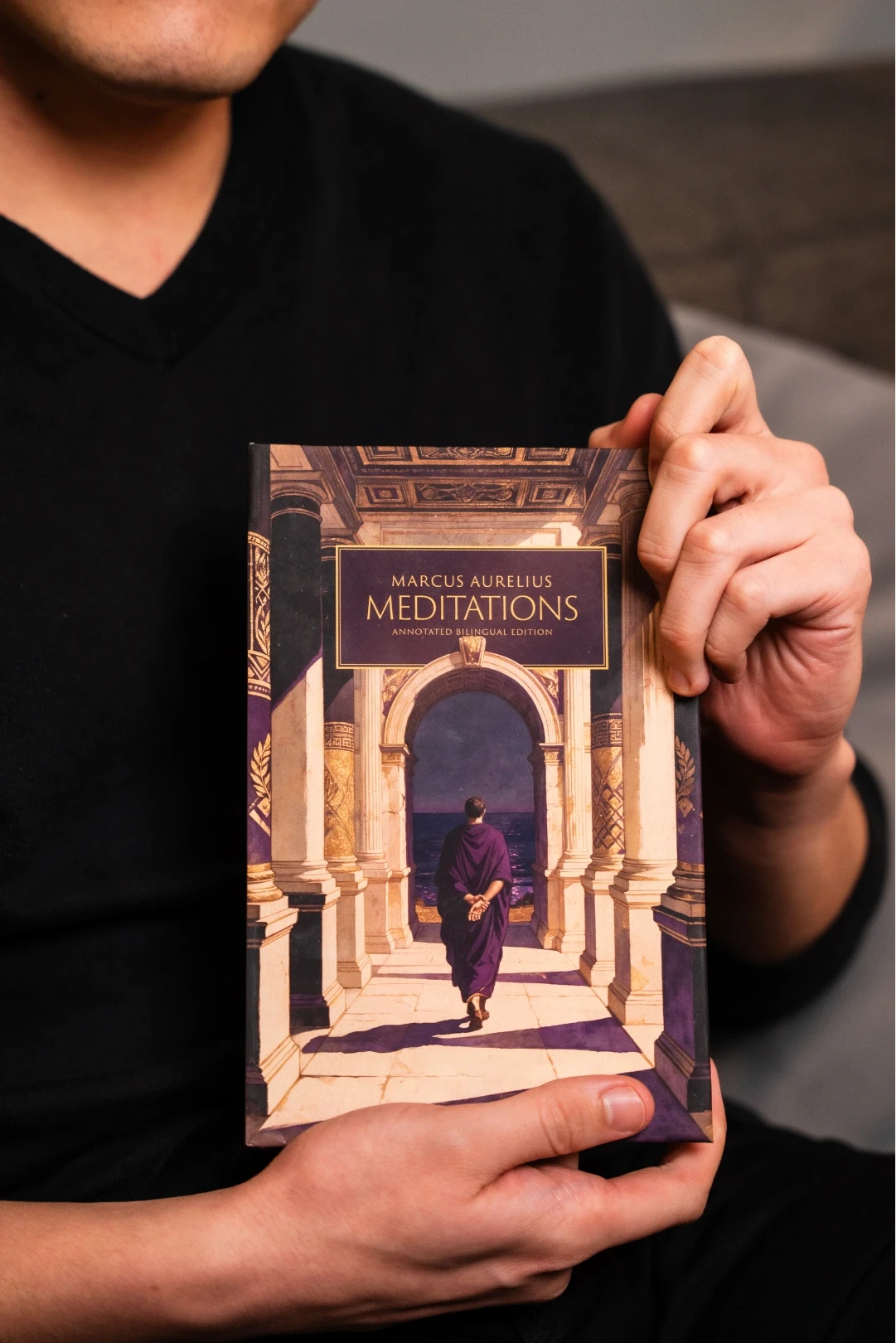
Fragments
Fragments
The book that turned change into a law of the world
The book that turned change into a law of the world
The book that turned change into a law of the world
Written in Ephesus around 500 BC and, legend says, laid in the temple of Artemis, Heraclitus's book is lost. What survives are about 150 sentences, quoted by Aristotle, Plutarch, Hippolytus and others, that still read like riddles.
Written in Ephesus around 500 BC and, legend says, laid in the temple of Artemis, Heraclitus's book is lost. What survives are about 150 sentences, quoted by Aristotle, Plutarch, Hippolytus and others, that still read like riddles.
His argument starts from a simple claim: the world is not made of things, but of exchanges. On those who step into the same rivers, other and other waters flow. The river stays a river by changing, and the world is an ever-living fire, kindling and going out in measures.
His argument starts from a simple claim: the world is not made of things, but of exchanges. On those who step into the same rivers, other and other waters flow. The river stays a river by changing, and the world is an ever-living fire, kindling and going out in measures.
Behind the flux he found a measure, a Logos: opposites held in tension, like the bow and the lyre. Day and night, war and peace, the way up and the way down are one and the same. He says more: strife is not a flaw in the world but its father.
Behind the flux he found a measure, a Logos: opposites held in tension, like the bow and the lyre. Day and night, war and peace, the way up and the way down are one and the same. He says more: strife is not a flaw in the world but its father.
Heraclitus doesn't call this chaos. He thought the order was there for anyone awake enough to see it, though most people live as if asleep. Plato would build his Forms against the flux, Hegel would call him the source of his Logic, and Nietzsche would call him a kindred spirit. He said what he meant to say anyway: A man's character is his fate.
Heraclitus doesn't call this chaos. He thought the order was there for anyone awake enough to see it, though most people live as if asleep. Plato would build his Forms against the flux, Hegel would call him the source of his Logic, and Nietzsche would call him a kindred spirit. He said what he meant to say anyway: A man's character is his fate.
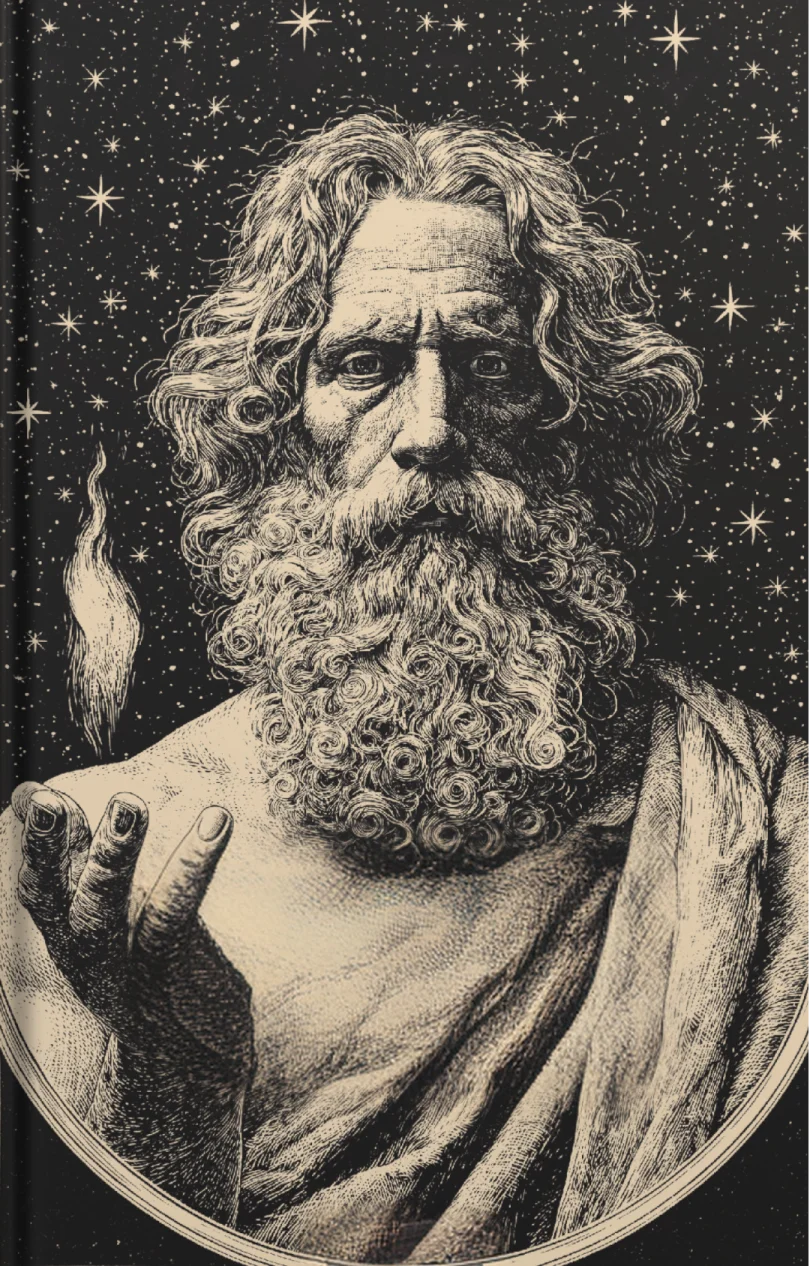
Heraclitus of Ephesus: The philosopher of the Logos.
Heraclitus of Ephesus: The philosopher of the Logos.
Heraclitus of Ephesus: The philosopher of the Logos.
Heraclitus was born in Ephesus, on the Ionian coast, around 540 BC, and was at the height of his work around 504 BC. He came from one of the city's oldest families, and tradition says he gave the hereditary title of basileus, a largely priestly office, to his brother.
Heraclitus was born in Ephesus, on the Ionian coast, around 540 BC, and was at the height of his work around 504 BC. He came from one of the city's oldest families, and tradition says he gave the hereditary title of basileus, a largely priestly office, to his brother.
He set a high bar for what counts as wisdom. Knowing many things, he wrote, doesn't teach understanding, and he named Hesiod, Pythagoras, Xenophanes and Hecataeus as proof. For him, wisdom meant grasping the logos, the order that runs through all things.
He set a high bar for what counts as wisdom. Knowing many things, he wrote, doesn't teach understanding, and he named Hesiod, Pythagoras, Xenophanes and Hecataeus as proof. For him, wisdom meant grasping the logos, the order that runs through all things.
His contemporaries called him "the Obscure." When Euripides gave Socrates a copy of his book, Socrates is said to have answered that what he understood was excellent, and what he didn't probably was too, but it would take a Delian diver to reach the bottom.
His contemporaries called him "the Obscure." When Euripides gave Socrates a copy of his book, Socrates is said to have answered that what he understood was excellent, and what he didn't probably was too, but it would take a Delian diver to reach the bottom.
What survives are about 150 fragments, short and dense, and endlessly reread. Plato argued with them, the Stoics built on them, and Hegel, Nietzsche and Heidegger each found their own beginnings in them. Twenty-five centuries later, they still haven't been exhausted.
What survives are about 150 fragments, short and dense, and endlessly reread. Plato argued with them, the Stoics built on them, and Hegel, Nietzsche and Heidegger each found their own beginnings in them. Twenty-five centuries later, they still haven't been exhausted.

Inside the Logos Reader
Inside the Logos Reader
The River and the Flame: Heraclitus and the Hidden Harmony
The River and the Flame: Heraclitus and the Hidden Harmony
This issue includes an original Logos essay, and three complementary historical texts:
This issue includes an original Logos essay, and three complementary historical texts:
Heraclitus and the Common Logos: A Logos Reader original in seven sections covering the Ephesian and his book, logos as speech and order, the one and the opposites, river and flame, soul, character and law, the One Wise, and the hidden harmony.
Heraclitus and the Common Logos: A Logos Reader original in seven sections covering the Ephesian and his book, logos as speech and order, the one and the opposites, river and flame, soul, character and law, the One Wise, and the hidden harmony.
The Language of Heraclitus, by Bruno Snell: Originally "Die Sprache Heraklits," Hermes 61 (1926), translated for this edition. Snell, later one of the century's most influential classical philologists, reads the philosopher through his words: the images, inversions, rhythms and wordplay are the thought itself.
The Language of Heraclitus, by Bruno Snell: Originally "Die Sprache Heraklits," Hermes 61 (1926), translated for this edition. Snell, later one of the century's most influential classical philologists, reads the philosopher through his words: the images, inversions, rhythms and wordplay are the thought itself.

The Meaning of Logos in Heraclitus, by Adolf Busse: Rheinisches Museum für Philologie 75 (1926), translated for this edition. A deliberate philological brake on turning Heraclitus into the prophet of a cosmic Reason.
The Meaning of Logos in Heraclitus, by Adolf Busse: Rheinisches Museum für Philologie 75 (1926), translated for this edition. A deliberate philological brake on turning Heraclitus into the prophet of a cosmic Reason.
The Logos of Heraclitus, by Marie-Joseph Lagrange: Revue biblique 32 (1923). The founder of the École biblique weighs the line from Heraclitus to the Stoics and the Fourth Gospel, and refuses to turn resemblance into genealogy.
The Logos of Heraclitus, by Marie-Joseph Lagrange: Revue biblique 32 (1923). The founder of the École biblique weighs the line from Heraclitus to the Stoics and the Fourth Gospel, and refuses to turn resemblance into genealogy.
Further Reading Academic references for deeper study.
Further Reading Academic references for deeper study.
Further Reading Academic references for deeper study.
What is the Philosophy Club?
What is the Philosophy Club?
A philosophy box delivered
to your door every month.
A philosophy box delivered to your door every month.
A philosophy box delivered
to your door every month.
When you join the Logos Philosophy Club, you receive one essential work of philosophy at home each month. Over time, you build a personal philosophical library with high-quality editions—translated directly from the original language and, when possible, presented in bilingual format.
When you join the Logos Philosophy Club, you receive one essential work of philosophy at home each month. Over time, you build a personal philosophical library with high-quality editions—translated directly from the original language and, when possible, presented in bilingual format.
Our community
Our community
Growing a global movement
Growing a global movement
Growing a global movement
The Logos Philosophy Book Club is an intellectual community dedicated exclusively to foundational philosophical works.
The Logos Philosophy Book Club is an intellectual community dedicated exclusively to foundational philosophical works.
Built on the experience of our publishing group in Brazil, where readers, translators, scholars, and publishers now share a common mission: to produce high-quality philosophical editions faithfully translated, carefully edited, designed for serious reading.
Built on the experience of our publishing group in Brazil, where readers, translators, scholars, and publishers now share a common mission: to produce high-quality philosophical editions faithfully translated, carefully edited, designed for serious reading.
This is more than a subscription. It is a commitment to restoring philosophy as a disciplined and living tradition.
This is more than a subscription. It is a commitment to restoring philosophy as a disciplined and living tradition.


How Does It Work?
How Does It Work?
Here’s how your subscription
works, step by step:
Here’s how your subscription
works, step by step:
Here’s how your subscription
works, step by step:
01
Choose your membership
Choose the plan that fits you best, monthly or annual. Past editions are available for purchase as well. Subscribers can purchase past editions at a discounted rate in the members area.
01
Choose your membership
Choose the plan that fits you best, monthly or annual. Past editions are available for purchase as well. Subscribers can purchase past editions at a discounted rate in the members area.
02
How shipping works
Each month we announce a new edition. Your first shipment arrives around the 15th of the following month.
02
How shipping works
Each month we announce a new edition. Your first shipment arrives around the 15th of the following month.
03
Monthly shipping
Monthly shipping
From that point on, as a member, a new philosophy box is shipped each month. All boxes are dispatched during the month following the release cycle.
03
Monthly shipping
From that point on, as a member, a new philosophy box is shipped each month. All boxes are dispatched during the month following the release cycle.

Is this for me?
Is this for me?
So, who is the
Philosophy Club for?
So, who is the
Philosophy Club for?
So, who is the
Philosophy Club for?
For those who want to engage deeply with the legacy of the greatest thinkers in history.
For those who want to engage deeply with the legacy of the greatest thinkers in history.
For readers who want to build a solid, lasting philosophy library.
For readers who want to build a solid, lasting philosophy library.
For students engaged in higher education or simply interested in the great books of our shared history.
For students engaged in higher education or simply interested in the great books of our shared history.
For professionals who understand that serious work requires a broad and rigorous intellectual formation.
For professionals who understand that serious work requires a broad and rigorous intellectual formation.
Our BOOKS
Our BOOKS
Explore the works we’ve released so far
Explore the works we’ve released so far
Explore the works we’ve released so far
The Logos Philosophy Club publishes major philosophical works, carefully edited and presented in bilingual editions designed for serious study.
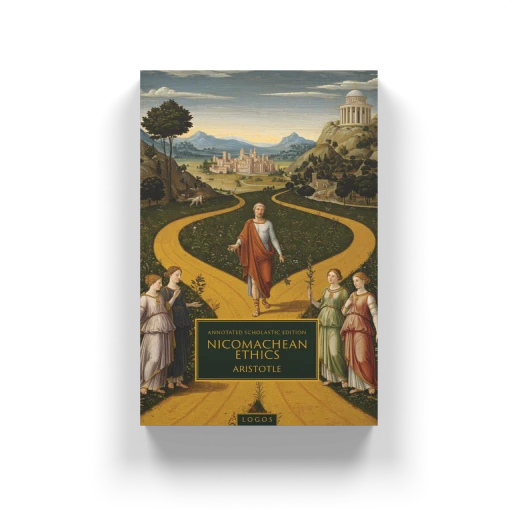
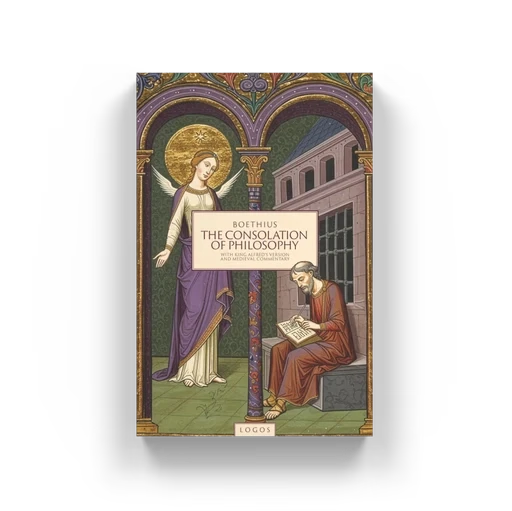

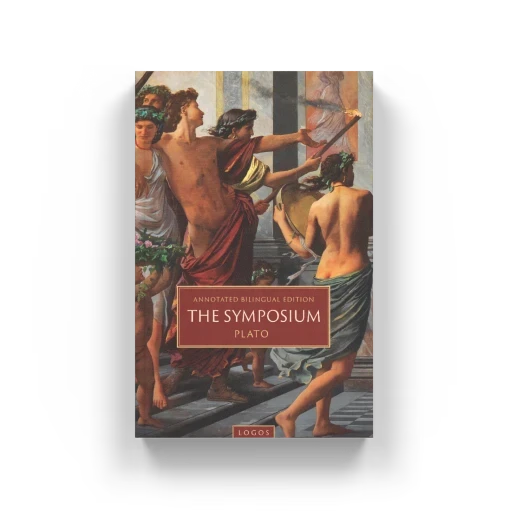

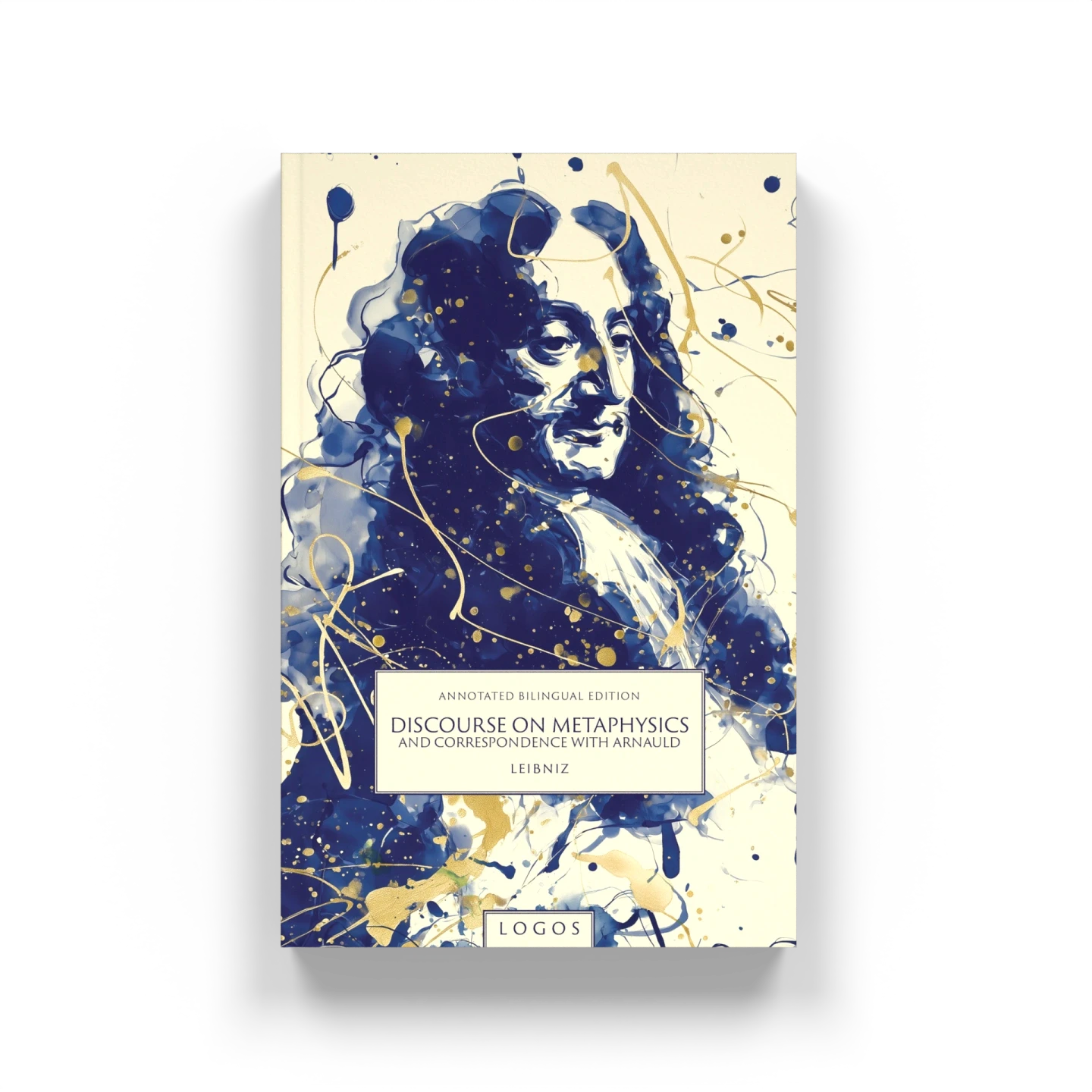

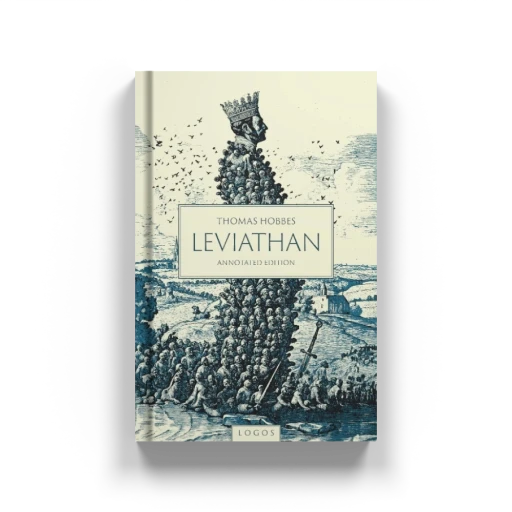

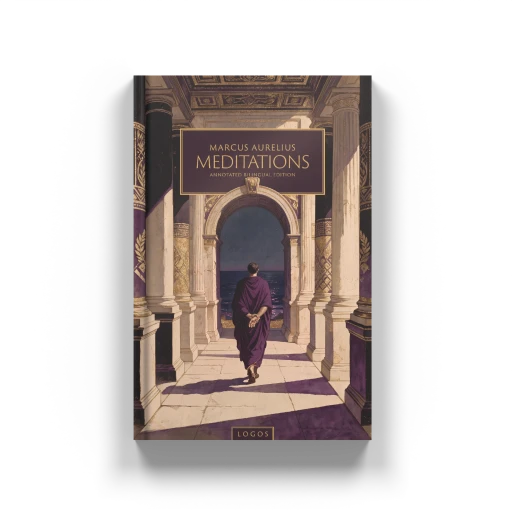
With an Annual Membership, you receive the current release, gain access to all future editions while your plan remains active, and can purchase past releases at exclusive member pricing.
With an Annual Membership, you receive the current release, gain access to all future editions while your plan remains active, and can purchase past releases at exclusive member pricing.
Why join the Club?
Why join the Club?
See what our members have to say
See what our members have to say

John Roche
I love my copy. The book is sturdy and very well bound, but so far the scholastic commentary is the real gem. I laminated the poster and hung it in my classroom. I hope Consolation of Philosophy comes with a poster too!
John Roche
I love my copy. The book is sturdy and very well bound, but so far the scholastic commentary is the real gem. I laminated the poster and hung it in my classroom. I hope Consolation of Philosophy comes with a poster too!

Nicolás Carreño Román
Wow! This looks like the kind of book subscription that's worth it!
Nicolás Carreño Román
Wow! This looks like the kind of book subscription that's worth it!

Spencer Simons
Got mine. Love it already. The poster is a nice perk I wasn’t aware of. I’m gonna grab a frame tomorrow and hang it on my bedroom wall.
Spencer Simons
Got mine. Love it already. The poster is a nice perk I wasn’t aware of. I’m gonna grab a frame tomorrow and hang it on my bedroom wall.
FAQ
FAQ
Frequently Asked Questions
Frequently Asked Questions
What am I subscribing to?
When will I receive my books?
When will I receive the next books in the Club?
Is shipping available everywhere in the U.S.?
Will I receive tracking information?
Are taxes and shipping included?
What is the difference between the Monthly and Yearly memberships?
How does billing work for the Yearly Membership?
Will I be charged on the same date every month?
What happens if my payment fails (card declined)?
Can I cancel my subscription?
Can I pause my membership?
Can I switch between Monthly and Yearly?
Do you offer refunds if I forget to cancel?
Can I gift a membership?
How do you choose the monthly books?
Can I skip a month if I already own the book?
What is your returns and damages policy?
Can I change my shipping address after subscribing?
How can I contact support?