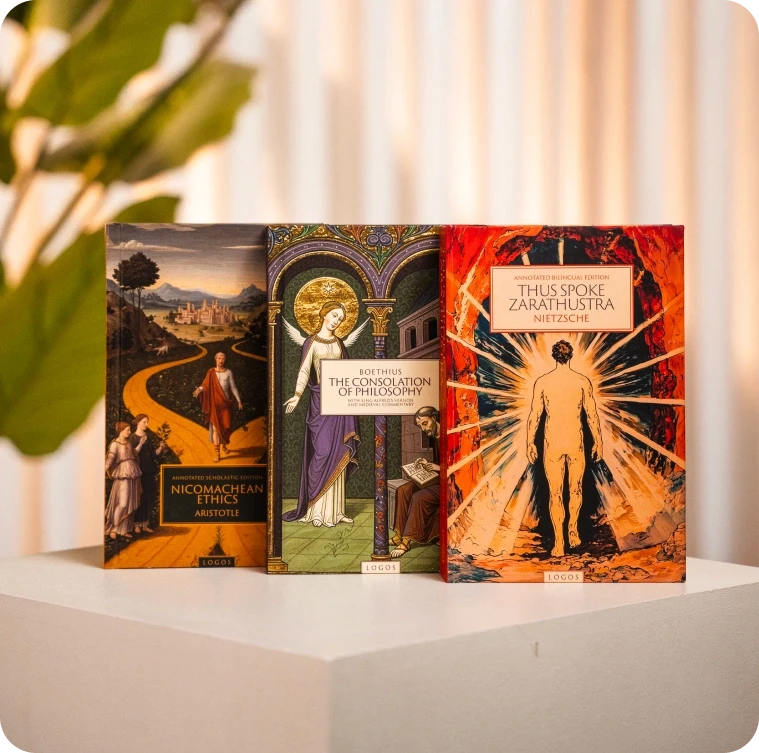
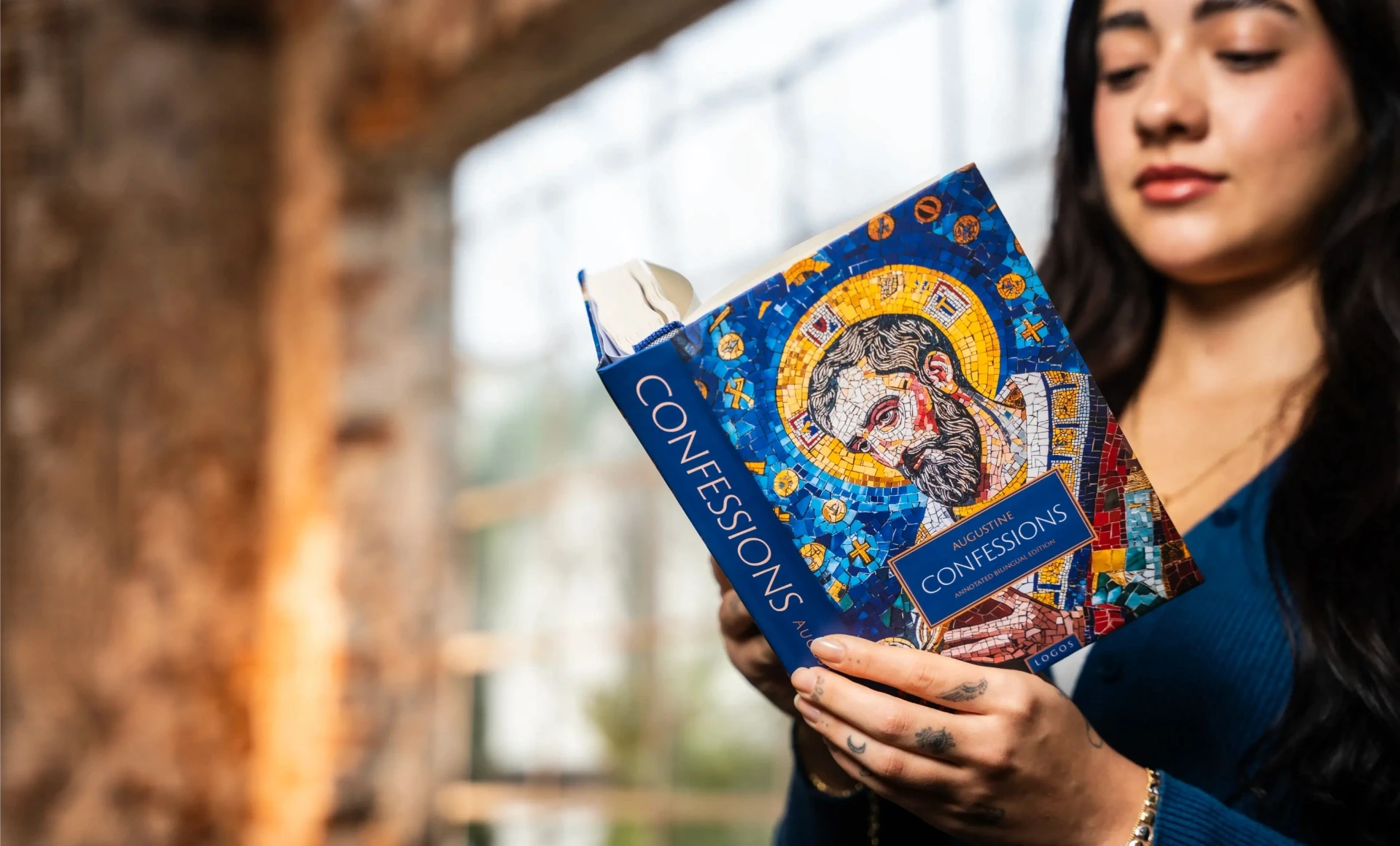
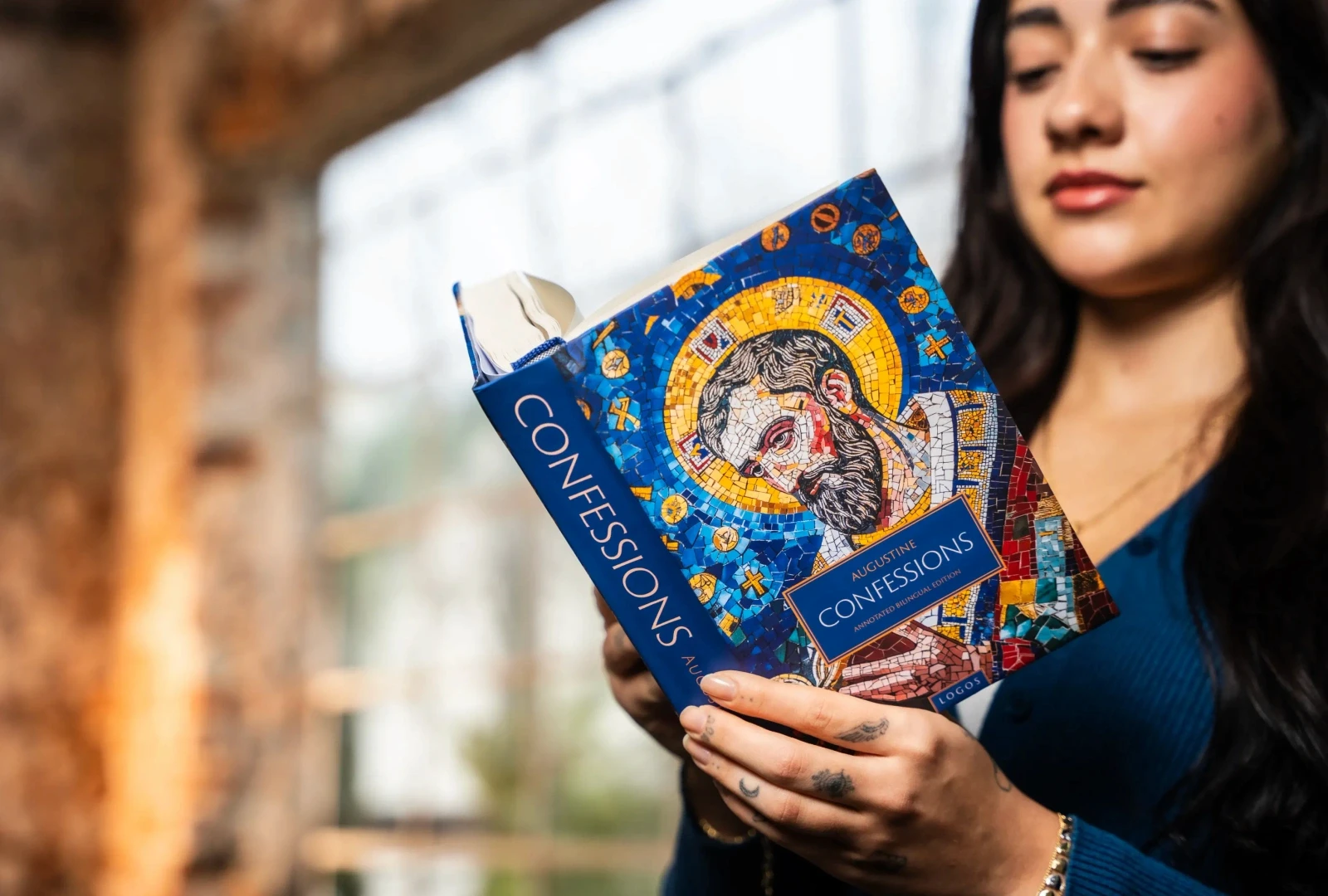

The Logos programme is designed as a philosophical sequence rather than a catalogue of available titles. Works are chosen in relation to one another — each edition anticipating or responding to the intellectual problems raised by those that precede and follow it.
This means the programme has an argument. A reader who follows the full sequence over time is not accumulating individual books. They are working through a structured encounter with the problems that define the Western philosophical tradition.
"The question is never: what is popular in philosophy? The question is: what must be read to understand the problem at hand?"
Our BOOKS
The Logos Philosophy Club publishes major philosophical works, carefully edited and presented in bilingual editions designed for serious study.
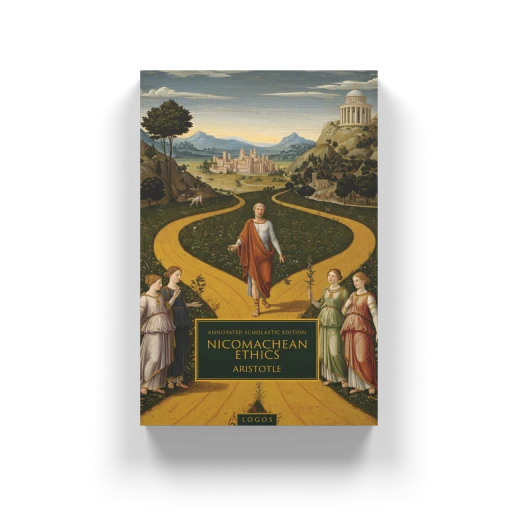
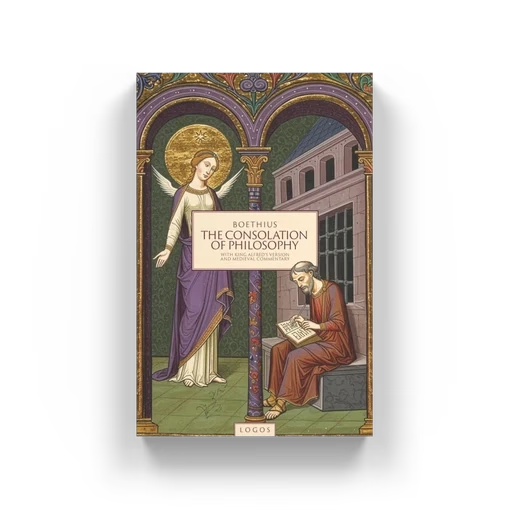
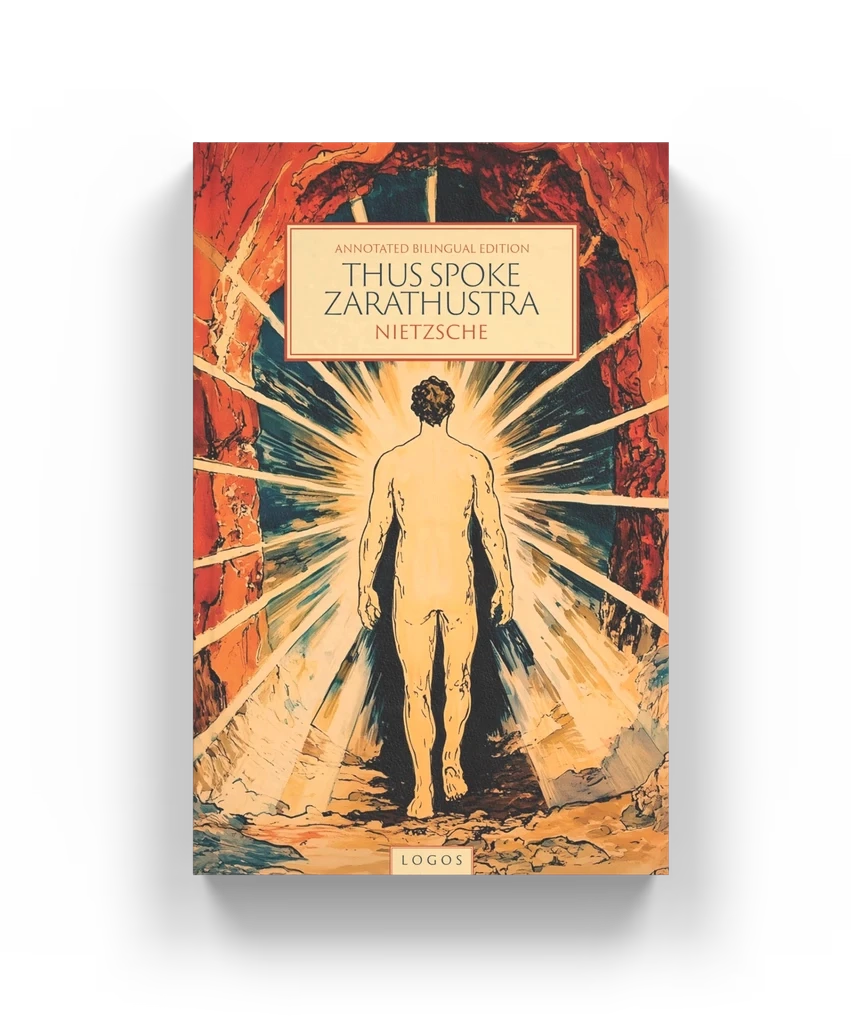
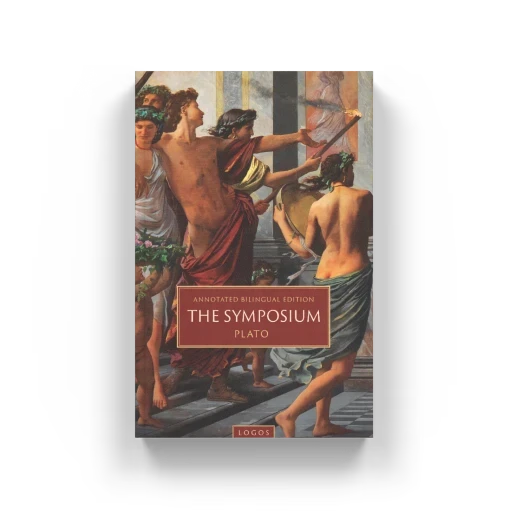
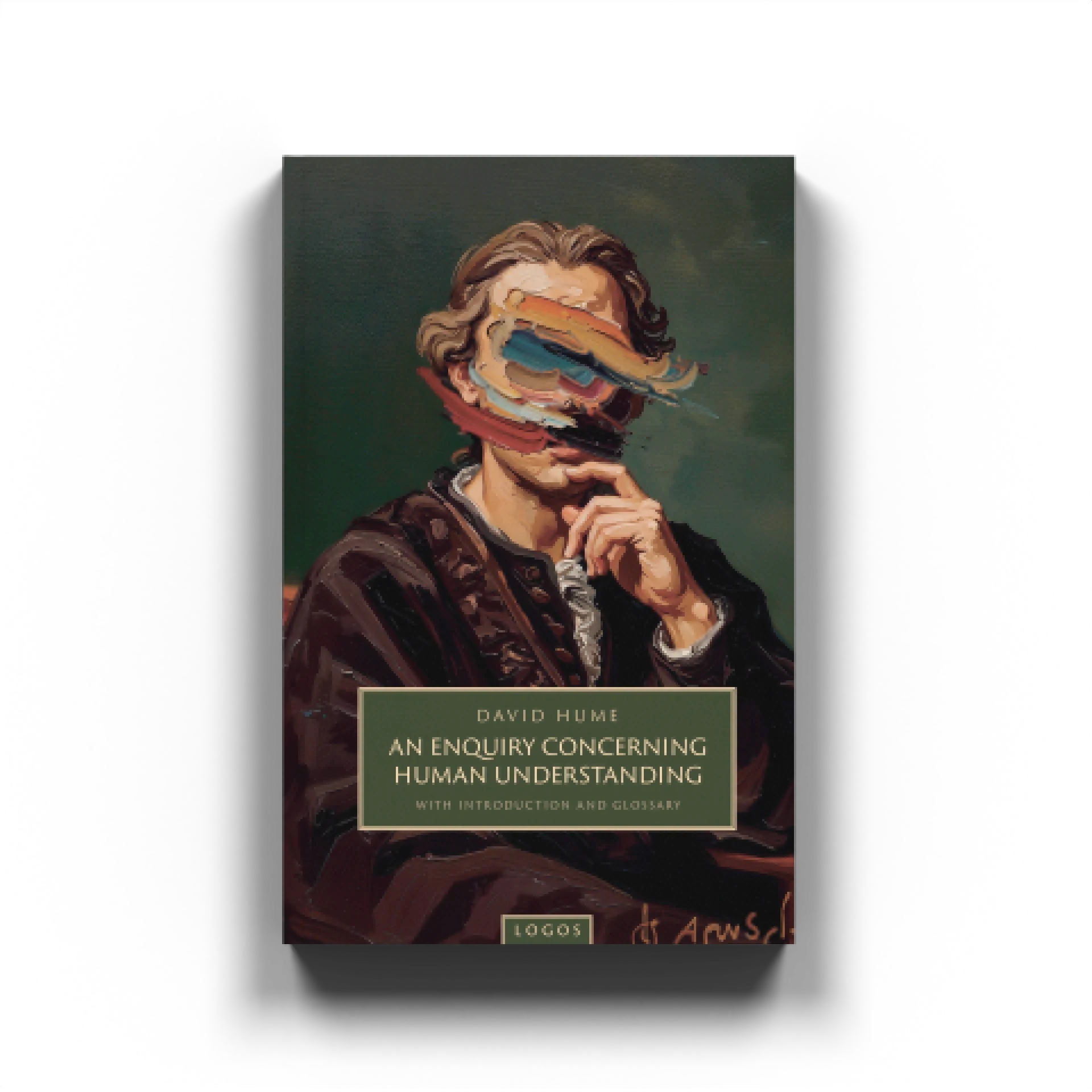
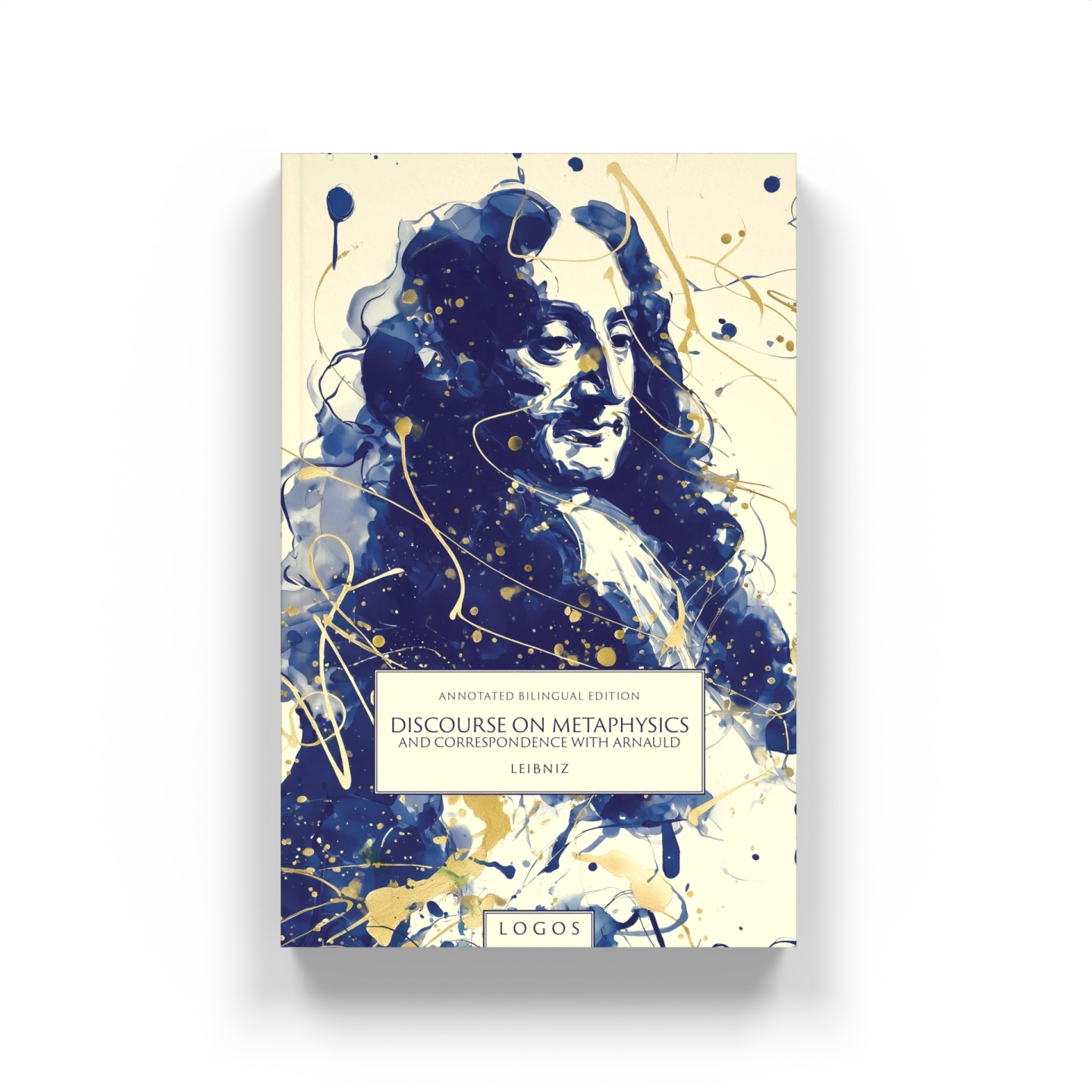
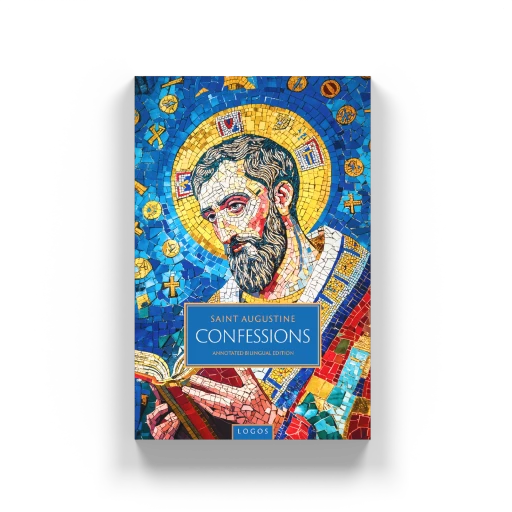
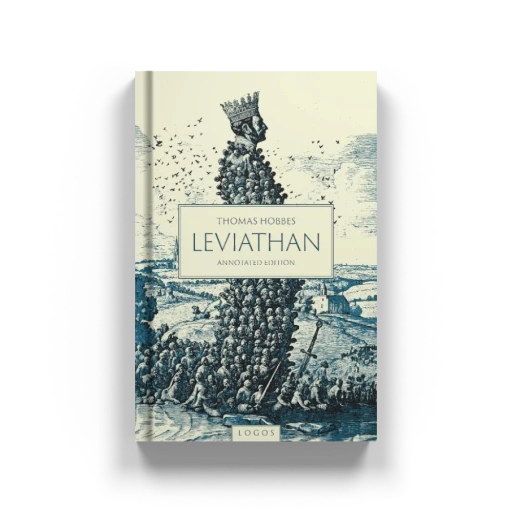
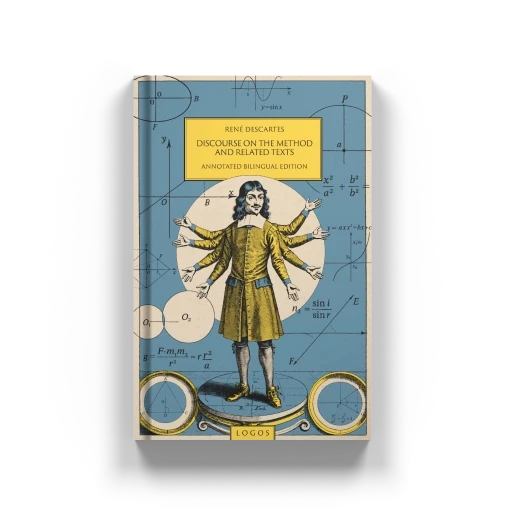
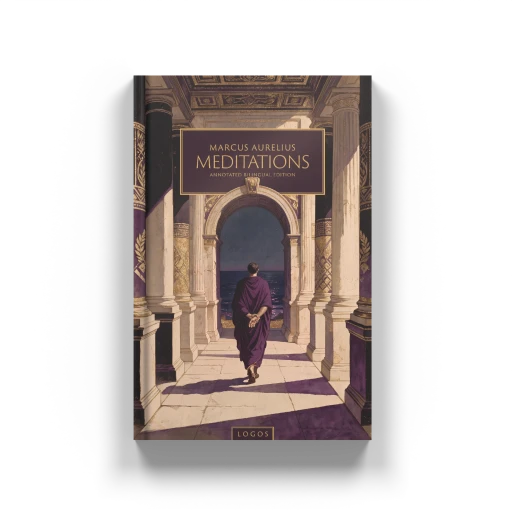
THE COLLECTION CONTINUES
A philosophy box delivered to your door every month.
New works of philosophy will be added to this collection throughout the year.
SELECTION CRITERIA
1
Is this work a node that cannot be bypassed? Does its exclusion produce a materially impoverished understanding of the tradition's development? Works that are merely important are not sufficient. Only works that are structurally necessary qualify.
2
Can Logos produce or commission a translation that meets our editorial standards? If the state of available scholarship does not support a rigorous bilingual or trilingual edition, the work is deferred until the appropriate scholarship exists or can be produced.
3
Does this work belong at this point in the programme? The sequence is constructed so that each edition illuminates what follows and deepens what precedes it. Works that are philosophically necessary may nonetheless be deferred to a position in the sequence where they will land with greater force.
4
Is the scholarly apparatus — introduction, notes, translator's preface, contextual materials — of sufficient quality to accompany the text? The physical edition is not published until every element of the editorial apparatus meets the standard applied to the translation itself.
WHAT WE DO NOT PUBLISH
Logos does not publish introductory guides, commentary volumes, or secondary literature as primary editions. Every Logos edition centres on a primary philosophical text. Commentary and scholarship appear within the edition as apparatus, never as the edition's primary object.
We do not publish works selected primarily for their contemporary cultural relevance, for commercial performance in the philosophy category, or because they have received recent popular attention. The programme is indifferent to such considerations. It is attentive only to the internal demands of the philosophical tradition being constructed.
PROGRAMME DEVELOPMENT
The Logos programme is developed with a rolling horizon of approximately three years. Works confirmed for the near term are in active editorial production. Works identified for the medium term are in pre-production — translation commissions, scholarly introductions, and physical specifications are being developed in parallel.
Members are not given advance notice of upcoming titles except through the editorial programme notes that accompany each edition, which situate the current work within the wider sequence and gesture toward the philosophical problems the next edition will address.