The Boy Who Memorized the Quran at Age 10: Avicenna, the Philosopher Revered by Iran Who Influenced the West
The Boy Who Memorized the Quran at Age 10: Avicenna, the Philosopher Revered by Iran Who Influenced the West

Logos Publishing
Logos Publishing
Biographies
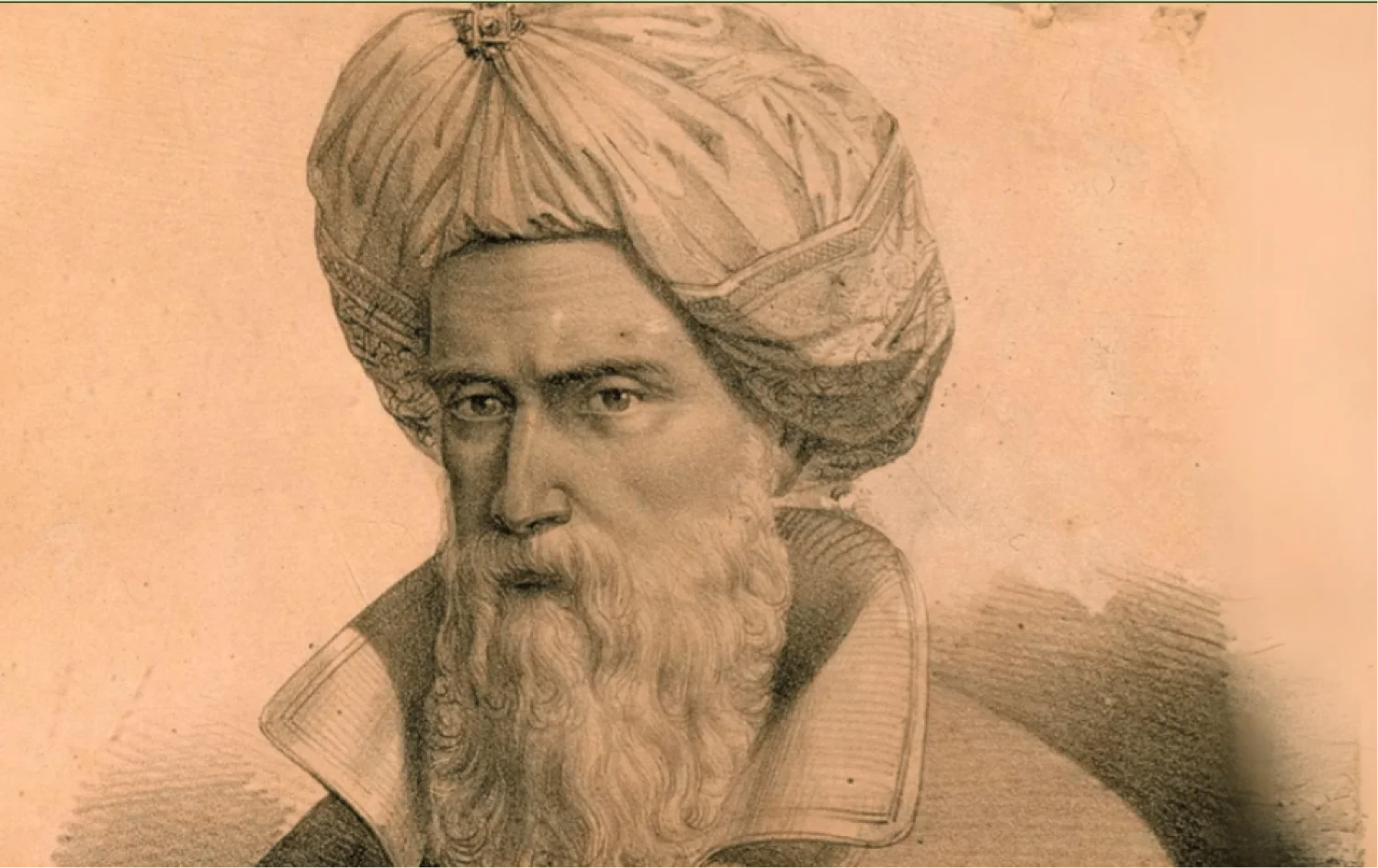
Few names in the history of human thought resonate with the same magnitude — and difficulty for us, speakers of Anglo-Saxon languages — as that of Abu Ali al-Hussein Ibn Abd Allah Ibn Sina, known in the West as Avicenna (980-1037). A physician, philosopher, theologian, mathematician, and astronomer, his figure transcends centuries and civilizations, representing one of the most brilliant links between the wisdom of Ancient Greece and the intellectual flourishing of Europe. Born in ancient Persia, Avicenna was not just a philosopher, but a true genius whose precocity and depth of knowledge continue to fascinate.
A Precocious Mind: The Hafiz and Future Master
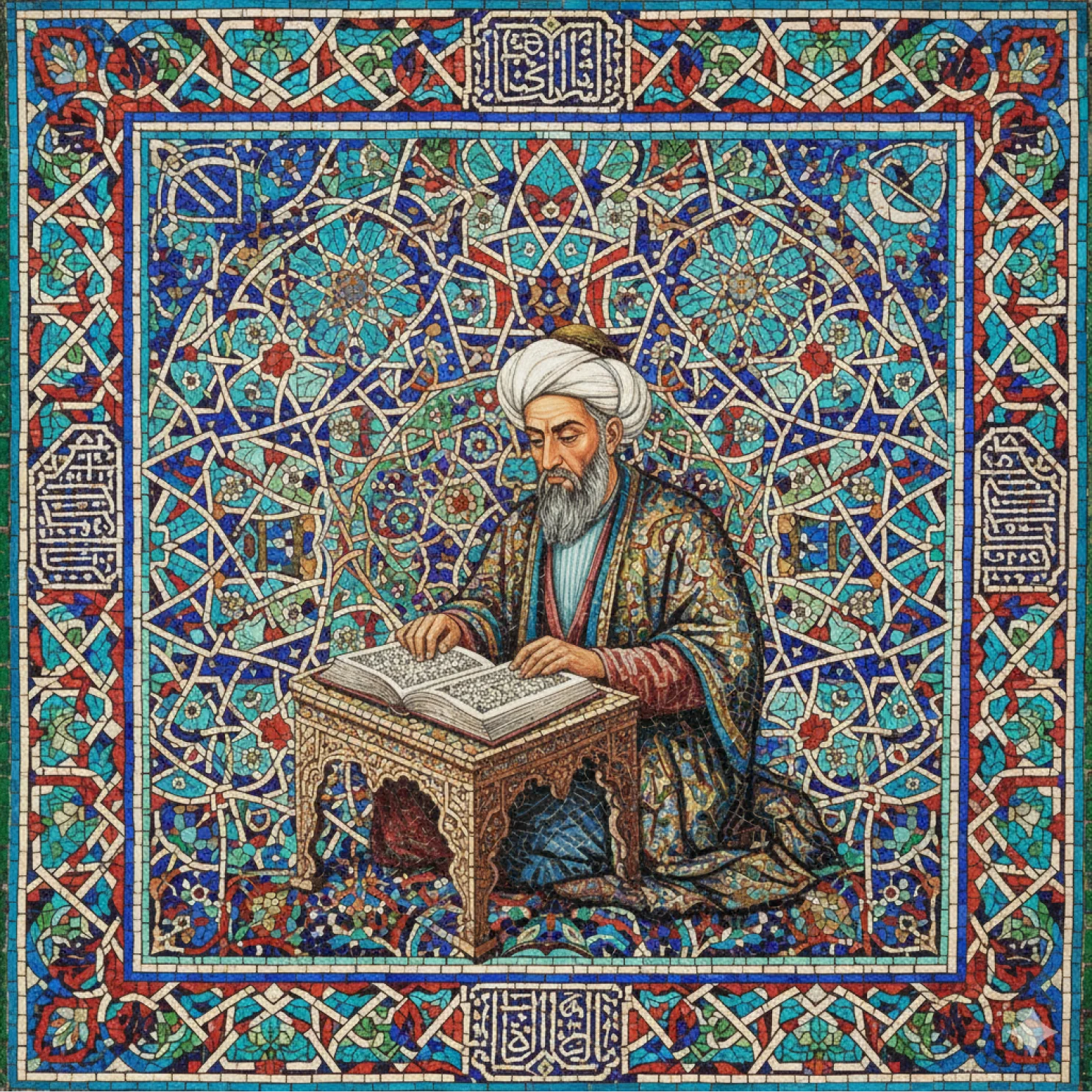
Avicenna's genius manifested itself extraordinarily from childhood. A notable fact, as our title suggests, is that by the age of ten, he had already fully memorized the Quran, the holy book of Islam. This feat earned him the title of Hafiz, a designation of great honor in Islamic culture for one who holds the sacred text in their memory — a book with over 6,000 verses and approximately 77,000 words. This feat was not merely a mnemonic exercise but a deep dive into the theological and linguistic foundations that fueled his desire to reconcile faith and reason, a central theme in his future work. His thirst for knowledge was insatiable. Before reaching adulthood, at less than 18 years of age, Avicenna had already mastered medicine to the point of practicing as a physician, in addition to possessing vast knowledge in logic, mathematics, jurisprudence, and philosophy. His fame as "the Great Master" (Al-Shaikh Al-Ra’is) soon spread throughout the Islamic world.
Avicenna's intellectual output was vast, with over two hundred works. Two, in particular, ensured his immortality: Al-Shifa’ (The Cure), his monumental philosophical encyclopedia, and Kitáb Al-Qanún fi al-Tib (The Canon of Medicine), a work that revolutionized medical practice for centuries by organizing Greco-Roman and Arab medical knowledge. His contributions contain principles that are still used today—such as the conceptualization of quarantine—as he was one of the first to propose that diseases like tuberculosis were contagious, suggesting the isolation of patients for 40 days to prevent their spread. Also notable is his contribution to the principles of clinical pharmacology, establishing rigorous rules for testing the efficacy of new drugs. He argued that a drug's effectiveness could only be proven if it was tested on human patients in a controlled manner, with consistently reproducible results—a clear anticipation of the scientific method and modern clinical trials. The Canon also documents the use of oral and inhaled compounds, such as the opium poppy, to induce a state of deep sleep before surgical procedures, making him a forerunner in anesthesiology.
Al-Shifa’ (The Cure)
Often translated as The Book of Healing, this 18-volume encyclopedic work is, in fact, a "cure for the ignorance of the soul." It is his philosophical magnum opus, covering logic, physics, mathematics, and, prominently, metaphysics. In it, Avicenna engages in an intense dialogue with Aristotle, Plato, and Neoplatonism, but without limiting himself to being a mere follower. He builds his own original and robust philosophical system, which would profoundly influence later thinkers, both in the Islamic world and in Christian scholasticism. Thomas Aquinas, for example, cites Avicenna more than 250 times in his Summa Theologica. Regarding the objective of Al-Shifa’, Avicenna himself declared:
"Our intention is to put in this book the fruit of the sciences of the ancients that we have been able to verify; sciences based on firm deduction or on an induction accepted by thinkers who have long sought the truth. I have striven to include in the work the greater part of philosophy. There is nothing of importance in the books of the ancients that does not figure in this work." (MADKUR, 1980, p.15).
Avicenna positions himself in a complex way between idealism and realism, leaning towards a moderate realism. His famous distinction between essence (māhīya) and existence (wujūd) is the pillar of this analysis. For him, the essence — that which defines a thing, like the "humanity" of a man — can be considered in three distinct states.
First, the essence exists as a universal concept in the mind of God and, by derivation, in the human mind. This is the aspect that most closely approximates an idealistic view, as it deals with universals that exist in the intellect. However, and in this lies the core of his realism, Avicenna unequivocally affirms that the concrete and individual existence of things in the material world is real, primary, and independent of our perception. Unlike a pure idealist, who would reduce reality to thought, Avicenna argues that the physical world, composed of possible beings (contingent), has its own ontological reality. Existence is not an inherent property of the essence of created things; it is an accident that that is attributed to them. This existence is granted by an external cause: the Necessary Being (God), the only one in whom essence and existence are identical and inseparable.
"Therefore, the essences of things are either in the things themselves [physical], or they are in the intellect. They have, therefore, three aspects. One aspect of the essence is its consideration in itself, not related to the two types of existence nor to that which follows from its being so. Another aspect is its consideration as existing in singulars. Another, as existing in the intellect. In itself, the essence is neither universal nor singular. If it were universal in itself, it would be impossible for there to be a singular individual; and if it were singular in itself, it would be impossible for there to be more than one individual." (AVICENNA, 1977, Tractate V, chap. 1; cf. PARANÁ, p. 87)
This passage is fundamental. It demonstrates that the essence (e.g., "horse") is, in itself, a neutral nature. It only becomes singular when it exists in a particular horse in the real world, and it only becomes universal when it is abstracted as a concept by the mind. This structure allows Avicenna to validate both the knowledge of universals (in the intellect) and the independent reality of particulars (in the physical world), grounding his philosophy.
The Heart of Avicenna's Philosophy
For Avicenna, philosophy is the perfecting of the human soul. From the distinction between essence and existence, he develops his proof for the existence of God, based on the division of being: the Possible Being (everything that exists in the created world and depends on a cause) and the Necessary Being (that whose existence is self-sufficient and is the first cause of everything — God). In his other famous work, The Origin and the Return, he details this concept:
"The necessary being can, furthermore, be so by itself or not by itself. The necessary being by itself is that which is for itself, not for anything else, whatever it may be; it becomes absurd not to suppose it. And the necessary being not by itself is that which, when something other than itself is supposed, becomes a necessary being; just as the number four is necessary not by itself but when two plus two is supposed." (AVICENNA. The Origin and the Return).
This distinction not only grounds his philosophical theology but also establishes an ontological hierarchy that would influence centuries of philosophy and theology.
Arab or Persian?
If Avicenna were born today, to which nation would he belong? The answer reveals the complexity of identity in a world of modern borders. Born in Afshana, in the lands of present-day Uzbekistan, Avicenna was ethnically Persian, and his life and work are intrinsically linked to the cultural and geographical heart of Persia. Having died in 1037, his tomb is located in Hamadan, Iran. He is a source of pride for many Iranians, as the Islamic Republic of Iran identifies itself as the cultural successor of Persia and encompasses the cities where Avicenna worked. His legacy is proudly claimed by both nations, but his cultural identity was undeniably Persian.
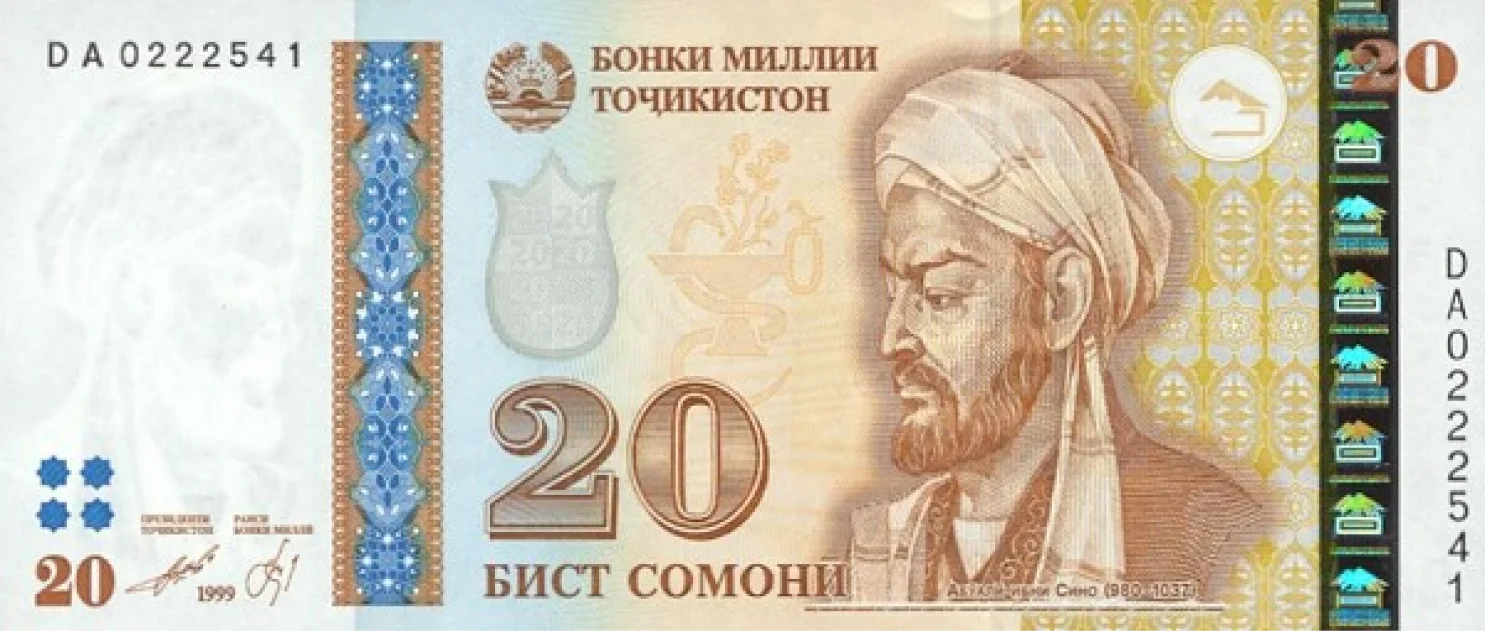
In Iran, where he is revered with the title of Hakim, he is considered more than a "doctor" or "philosopher." A Hakim is a sage, whose wisdom integrates science, philosophy, and spirituality. This title places him in a pantheon of great masters who represent the ideal of Persian knowledge. His physical and symbolic presence is striking, such as the Mausoleum in Hamadan, which is not a simple tomb but a monumental complex and one of Iran's most famous architectural landmarks. Designed in the 20th century to honor him, it symbolizes the ascent of knowledge and houses a museum and a library, serving as a pilgrimage camp for academics, students, and tourists. Avicenna's birthday, celebrated on the 1st of Shahrivar (usually August 23rd in the Gregorian calendar), is officially the National Doctor's Day in Iran. Furthermore, his Persian name (Bu Ali Sina, بو علی سینا) is honored at the prestigious Bu-Ali Sina University in Hamadan. Numerous hospitals, research centers, streets, and squares throughout the country share this name. His image has appeared on banknotes and postage stamps, solidifying his status as a national hero. For Iranians, Avicenna, or Bu Ali Sina, is the personification of the Persian Golden Age, a time when the region was the world's epicenter of science and philosophy. He is a constant reminder of Iran's historic contribution to human knowledge and a source of inspiration for new generations of scientists, doctors, and thinkers in the country.
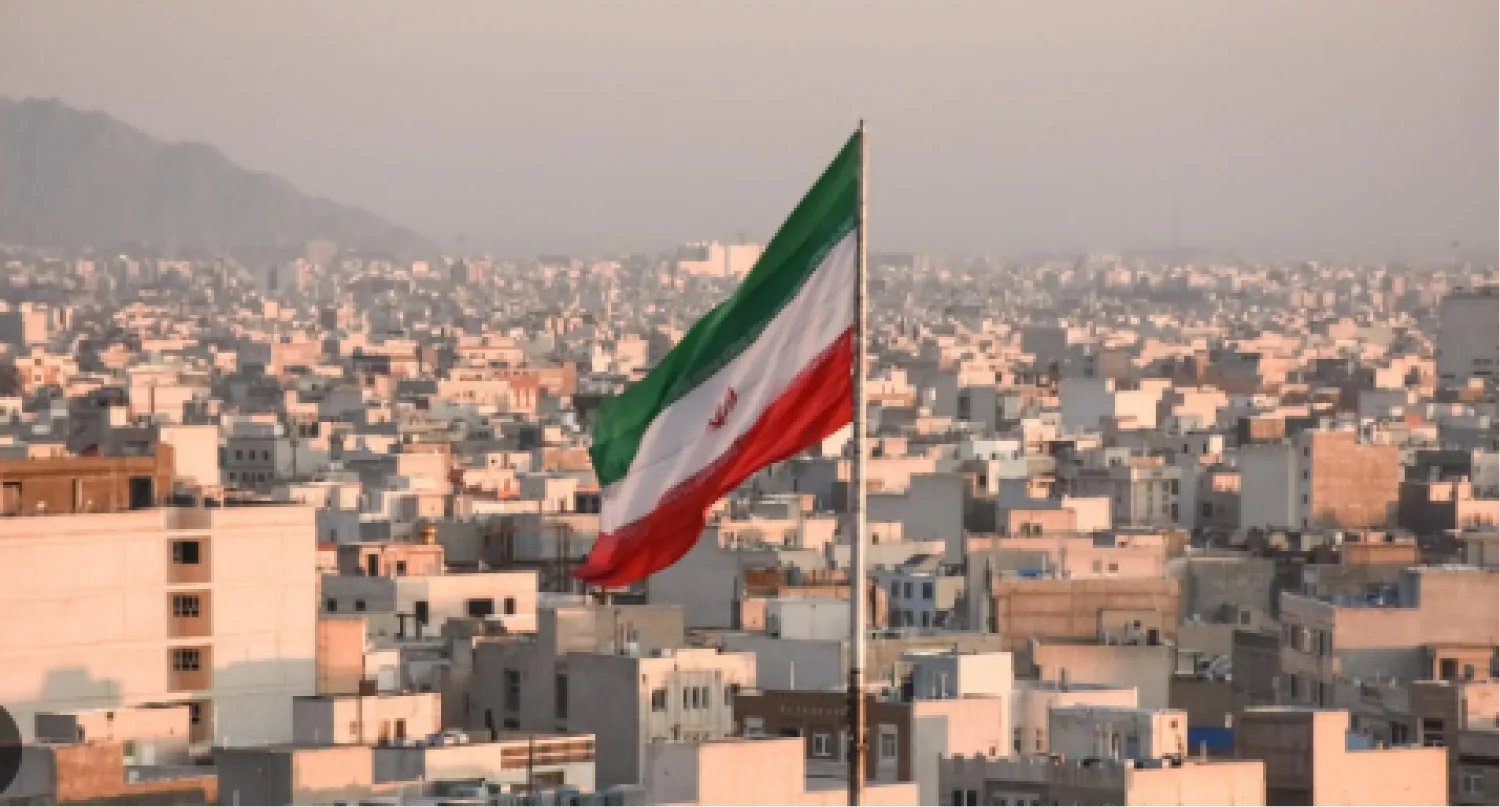
This heritage invites us to reflect. Avicenna lived in an era of extraordinary cultural exchange. Today, this same region is marked by geopolitical tensions. Iran, in particular, lives under a regime of economic sanctions and a state of latent conflict with the United States and other powers. It is worth asking: what barriers would a genius like Avicenna face in today's world? Would his work, which circulated freely and enriched both the East and the West, have the same chance to cross political and ideological borders? Do the hostility and isolation imposed by geopolitical conflicts not risk suffocating the emergence of new brilliant minds? War, for whatever reason, not only destroys lives but also erects walls against the pursuit of knowledge. The loss would not only be Iran's or Uzbekistan's but that of the entire world, which could be deprived of a new Great Master.
Avicenna's philosophy is precious not only for its depth but for its universal and timeless character. He demonstrated that the search for truth knows no limits of faith or culture, and that reason and spirituality can walk together in the perfecting of the human soul. As we remember the boy who memorized the Quran at age 10 and became one of history's greatest thinkers, we are reminded that the true legacy of humanity lies not in the conflicts that divide us, but in the knowledge that unites.
By Peter Webster - Philosophy Teacher and Logos Publishing Editor
References
Avicenna. 2005. The Metaphysics of The Healing: A Parallel English-Arabic Text (al-Ilāhiyyāt). Translated by Michael E. Marmura. Islamic Translation Series. Provo, UT: Brigham Young University Press.
Cruz Hernández, Miguel. 1997. The Life of Avicenna. Salamanca: Anthema Ediciones.
Madkour, Ibrahim. 1980. "The Shifa: The World in a Book." The UNESCO Courier 33 (10): 21–22
Attie Filho, Miguel. 2002. Falsafa: Philosophy Among the Arabs. São Paulo: Palas Athena.
Few names in the history of human thought resonate with the same magnitude — and difficulty for us, speakers of Anglo-Saxon languages — as that of Abu Ali al-Hussein Ibn Abd Allah Ibn Sina, known in the West as Avicenna (980-1037). A physician, philosopher, theologian, mathematician, and astronomer, his figure transcends centuries and civilizations, representing one of the most brilliant links between the wisdom of Ancient Greece and the intellectual flourishing of Europe. Born in ancient Persia, Avicenna was not just a philosopher, but a true genius whose precocity and depth of knowledge continue to fascinate.
A Precocious Mind: The Hafiz and Future Master
Avicenna's genius manifested itself extraordinarily from childhood. A notable fact, as our title suggests, is that by the age of ten, he had already fully memorized the Quran, the holy book of Islam. This feat earned him the title of Hafiz, a designation of great honor in Islamic culture for one who holds the sacred text in their memory — a book with over 6,000 verses and approximately 77,000 words. This feat was not merely a mnemonic exercise but a deep dive into the theological and linguistic foundations that fueled his desire to reconcile faith and reason, a central theme in his future work. His thirst for knowledge was insatiable. Before reaching adulthood, at less than 18 years of age, Avicenna had already mastered medicine to the point of practicing as a physician, in addition to possessing vast knowledge in logic, mathematics, jurisprudence, and philosophy. His fame as "the Great Master" (Al-Shaikh Al-Ra’is) soon spread throughout the Islamic world.
Avicenna's intellectual output was vast, with over two hundred works. Two, in particular, ensured his immortality: Al-Shifa’ (The Cure), his monumental philosophical encyclopedia, and Kitáb Al-Qanún fi al-Tib (The Canon of Medicine), a work that revolutionized medical practice for centuries by organizing Greco-Roman and Arab medical knowledge. His contributions contain principles that are still used today—such as the conceptualization of quarantine—as he was one of the first to propose that diseases like tuberculosis were contagious, suggesting the isolation of patients for 40 days to prevent their spread. Also notable is his contribution to the principles of clinical pharmacology, establishing rigorous rules for testing the efficacy of new drugs. He argued that a drug's effectiveness could only be proven if it was tested on human patients in a controlled manner, with consistently reproducible results—a clear anticipation of the scientific method and modern clinical trials. The Canon also documents the use of oral and inhaled compounds, such as the opium poppy, to induce a state of deep sleep before surgical procedures, making him a forerunner in anesthesiology.
Al-Shifa’ (The Cure)
Often translated as The Book of Healing, this 18-volume encyclopedic work is, in fact, a "cure for the ignorance of the soul." It is his philosophical magnum opus, covering logic, physics, mathematics, and, prominently, metaphysics. In it, Avicenna engages in an intense dialogue with Aristotle, Plato, and Neoplatonism, but without limiting himself to being a mere follower. He builds his own original and robust philosophical system, which would profoundly influence later thinkers, both in the Islamic world and in Christian scholasticism. Thomas Aquinas, for example, cites Avicenna more than 250 times in his Summa Theologica. Regarding the objective of Al-Shifa’, Avicenna himself declared:
"Our intention is to put in this book the fruit of the sciences of the ancients that we have been able to verify; sciences based on firm deduction or on an induction accepted by thinkers who have long sought the truth. I have striven to include in the work the greater part of philosophy. There is nothing of importance in the books of the ancients that does not figure in this work." (MADKUR, 1980, p.15).
Avicenna positions himself in a complex way between idealism and realism, leaning towards a moderate realism. His famous distinction between essence (māhīya) and existence (wujūd) is the pillar of this analysis. For him, the essence — that which defines a thing, like the "humanity" of a man — can be considered in three distinct states.
First, the essence exists as a universal concept in the mind of God and, by derivation, in the human mind. This is the aspect that most closely approximates an idealistic view, as it deals with universals that exist in the intellect. However, and in this lies the core of his realism, Avicenna unequivocally affirms that the concrete and individual existence of things in the material world is real, primary, and independent of our perception. Unlike a pure idealist, who would reduce reality to thought, Avicenna argues that the physical world, composed of possible beings (contingent), has its own ontological reality. Existence is not an inherent property of the essence of created things; it is an accident that that is attributed to them. This existence is granted by an external cause: the Necessary Being (God), the only one in whom essence and existence are identical and inseparable.
"Therefore, the essences of things are either in the things themselves [physical], or they are in the intellect. They have, therefore, three aspects. One aspect of the essence is its consideration in itself, not related to the two types of existence nor to that which follows from its being so. Another aspect is its consideration as existing in singulars. Another, as existing in the intellect. In itself, the essence is neither universal nor singular. If it were universal in itself, it would be impossible for there to be a singular individual; and if it were singular in itself, it would be impossible for there to be more than one individual." (AVICENNA, 1977, Tractate V, chap. 1; cf. PARANÁ, p. 87)
This passage is fundamental. It demonstrates that the essence (e.g., "horse") is, in itself, a neutral nature. It only becomes singular when it exists in a particular horse in the real world, and it only becomes universal when it is abstracted as a concept by the mind. This structure allows Avicenna to validate both the knowledge of universals (in the intellect) and the independent reality of particulars (in the physical world), grounding his philosophy.
The Heart of Avicenna's Philosophy
For Avicenna, philosophy is the perfecting of the human soul. From the distinction between essence and existence, he develops his proof for the existence of God, based on the division of being: the Possible Being (everything that exists in the created world and depends on a cause) and the Necessary Being (that whose existence is self-sufficient and is the first cause of everything — God). In his other famous work, The Origin and the Return, he details this concept:
"The necessary being can, furthermore, be so by itself or not by itself. The necessary being by itself is that which is for itself, not for anything else, whatever it may be; it becomes absurd not to suppose it. And the necessary being not by itself is that which, when something other than itself is supposed, becomes a necessary being; just as the number four is necessary not by itself but when two plus two is supposed." (AVICENNA. The Origin and the Return).
This distinction not only grounds his philosophical theology but also establishes an ontological hierarchy that would influence centuries of philosophy and theology.
Arab or Persian?
If Avicenna were born today, to which nation would he belong? The answer reveals the complexity of identity in a world of modern borders. Born in Afshana, in the lands of present-day Uzbekistan, Avicenna was ethnically Persian, and his life and work are intrinsically linked to the cultural and geographical heart of Persia. Having died in 1037, his tomb is located in Hamadan, Iran. He is a source of pride for many Iranians, as the Islamic Republic of Iran identifies itself as the cultural successor of Persia and encompasses the cities where Avicenna worked. His legacy is proudly claimed by both nations, but his cultural identity was undeniably Persian.
In Iran, where he is revered with the title of Hakim, he is considered more than a "doctor" or "philosopher." A Hakim is a sage, whose wisdom integrates science, philosophy, and spirituality. This title places him in a pantheon of great masters who represent the ideal of Persian knowledge. His physical and symbolic presence is striking, such as the Mausoleum in Hamadan, which is not a simple tomb but a monumental complex and one of Iran's most famous architectural landmarks. Designed in the 20th century to honor him, it symbolizes the ascent of knowledge and houses a museum and a library, serving as a pilgrimage camp for academics, students, and tourists. Avicenna's birthday, celebrated on the 1st of Shahrivar (usually August 23rd in the Gregorian calendar), is officially the National Doctor's Day in Iran. Furthermore, his Persian name (Bu Ali Sina, بو علی سینا) is honored at the prestigious Bu-Ali Sina University in Hamadan. Numerous hospitals, research centers, streets, and squares throughout the country share this name. His image has appeared on banknotes and postage stamps, solidifying his status as a national hero. For Iranians, Avicenna, or Bu Ali Sina, is the personification of the Persian Golden Age, a time when the region was the world's epicenter of science and philosophy. He is a constant reminder of Iran's historic contribution to human knowledge and a source of inspiration for new generations of scientists, doctors, and thinkers in the country.
This heritage invites us to reflect. Avicenna lived in an era of extraordinary cultural exchange. Today, this same region is marked by geopolitical tensions. Iran, in particular, lives under a regime of economic sanctions and a state of latent conflict with the United States and other powers. It is worth asking: what barriers would a genius like Avicenna face in today's world? Would his work, which circulated freely and enriched both the East and the West, have the same chance to cross political and ideological borders? Do the hostility and isolation imposed by geopolitical conflicts not risk suffocating the emergence of new brilliant minds? War, for whatever reason, not only destroys lives but also erects walls against the pursuit of knowledge. The loss would not only be Iran's or Uzbekistan's but that of the entire world, which could be deprived of a new Great Master.
Avicenna's philosophy is precious not only for its depth but for its universal and timeless character. He demonstrated that the search for truth knows no limits of faith or culture, and that reason and spirituality can walk together in the perfecting of the human soul. As we remember the boy who memorized the Quran at age 10 and became one of history's greatest thinkers, we are reminded that the true legacy of humanity lies not in the conflicts that divide us, but in the knowledge that unites.
By Peter Webster - Philosophy Teacher and Logos Publishing Editor
References
Avicenna. 2005. The Metaphysics of The Healing: A Parallel English-Arabic Text (al-Ilāhiyyāt). Translated by Michael E. Marmura. Islamic Translation Series. Provo, UT: Brigham Young University Press.
Cruz Hernández, Miguel. 1997. The Life of Avicenna. Salamanca: Anthema Ediciones.
Madkour, Ibrahim. 1980. "The Shifa: The World in a Book." The UNESCO Courier 33 (10): 21–22
Attie Filho, Miguel. 2002. Falsafa: Philosophy Among the Arabs. São Paulo: Palas Athena.
How Logos Philosophy Club Supports Your Reading
How Logos Philosophy Club Supports Your Reading
Diving into philosophy on your own can feel like navigating a maze - dense arguments, unfamiliar terms, and complex ideas can leave you feeling stuck. That’s where Logos Philosophy Club steps in, transforming solitary study into a guided and enriched journey. As the first philosophy subscription book club in the U.S. focused exclusively on foundational works, it’s backed by a parent publishing group in Brazil with over 20,000 monthly subscribers.
Each month, members receive bilingual editions of foundational texts, meticulously translated from their original languages. These side-by-side editions allow you to compare the translation with the source text, which is especially helpful when tackling works like Plato’s The Symposium (set for March 2026) or Aristotle’s Nicomachean Ethics (coming December 2025). This format not only enhances understanding but also reflects the club’s dedication to providing high-quality materials.
Tags
Recent Blogs
Biographies
Socrates: the incarnation of philosophy

Metaphysics Logic
How myth made philosophy possible
Subscribe to our newsletter
Subscribe to our newsletter
New editions, new authors, new releases.
Subscribe to our newsletter and be the first to know what’s coming next from Logos Publishing.
Biographies
Socrates: the incarnation of philosophy
Metaphysics Logic
How myth made philosophy possible
In Book XI of the Odyssey, Odysseus descends to the underworld...
Logos Publishing
Metaphysics Logic
How myth made philosophy possible
VIEW ALL ARTICLES