The Impotence of Evil and the Dehumanization of the Wicked: An Analysis of Boethius’ "The Consolation of Philosophy"
The Impotence of Evil and the Dehumanization of the Wicked: An Analysis of Boethius’ "The Consolation of Philosophy"

Logos Publishing
Logos Publishing
Ethics
Written in the 6th century while its author awaited execution in a prison cell in Pavia, The Consolation of Philosophy transcends a personal lament to become one of the pillars of Western ethics and philosophy. In the Book IV, Boethius confronts Lady Philosophy with the fundamental anguish of the righteous: how explain the omniscient and benevolent God with the apparent triumph of the wicked and the suffering of the virtuous? The response offered by Lady Philosophy is theological and profoundly philosophical, grounded in the premise that evil, being a privation of the Supreme Good, divests the agent of their very essence and power.
The Ontology of Evil and the Loss of Being
The core of Boethius’ argument lies in the definition of "being." For Philosophy, everything that exists seeks the Good as its natural end; therefore, the Good is the substance of existence. The individual who turns away from the Good is not just acting wrongly; they are, technically, ceasing to "be." By abandoning the righteousness that elevates them above the purely animal condition, the vicious man undergoes a spiritual metamorphosis. He preserves the human physical form, but his inner reality is degraded to the level of beasts.
To express this transformation, Boethius employs a series of zoological metaphors that illustrate how specific vices erode human faculties. As stated in the original text:
"Further, since righteousness alone can raise men above the level of humanity, it must needs be that unrighteousness degrades below man’s level those whom it has cast out of man’s estate. It results, then, that you cannot consider him human whom you see transformed by vice. The violent despoiler of other men’s goods, enflamed with covetousness, surely resembles a wolf. A bold and restless spirit, ever wrangling in law-courts, is like some yelping cur. The secret schemer, taking pleasure in fraud and stealth, is own brother to the fox. The passionate man, frenzied with rage, we might believe to be animated with the soul of a lion. The coward and runaway, afraid where no fear is, may be likened to the timid deer. He who is sunk in ignorance and stupidity lives like a dull ass. He who is light and inconstant, never holding long to one thing, is for all the world like a bird. He who wallows in foul and unclean lusts is sunk in the pleasures of a filthy hog." (Boethius, The Consolation of Philosophy, Bk. IV, Pr. III, p. 153)
The Paradox of the Weakness of the Wicked
From this dehumanization follows the second fundamental point of the argument: the apparent "strength" of the wicked is, in truth, a manifestation of their impotence. Boethius argues that real power consists in achieving what one desires (happiness through the Good). Since the wicked fail to reach the actual Good—attaining only fleeting shadows of pleasure or influence—they are unable to fulfill their true will.
Furthermore, Philosophy presents the paradox of "threefold wretchedness." For the wicked, having the power to commit evil is a heavier burden than being prevented from doing so. Success in a crime is not a victory but the pinnacle of their misery, as it seals their degradation. In the original phrasing:
"Accordingly, those whom you see to will, to be able to accomplish, and to accomplish crime, must needs be the victims of a threefold wretchedness, since each one of these states has its own measure of wretchedness." (Boethius, The Consolation of Philosophy, Bk. IV, Pr. IV, p. 159)
In this way, impunity is not a benefit but an additional evil, as it deprives the criminal of the "medicine" of justice that could, in some way, reintroduce an element of a just punishment into their chaotic existence.
Conclusion
Boethius’ perspective inverts the mundane logic of justice. The suffering of the righteous is not a sign of divine abandonment but a discipline; the triumph of the wicked is not an injustice of fate but the final stage of their spiritual self-destruction. By losing virtue, man abdicates his position in the cosmos, becoming an exile from his own human nature. Punishment, therefore, is not something that happens externally, but a state of being that the wicked carry within themselves from the moment they choose vice over reason.
By Peter Webster - Philosophy Teacher and Logos Publishing editor
References
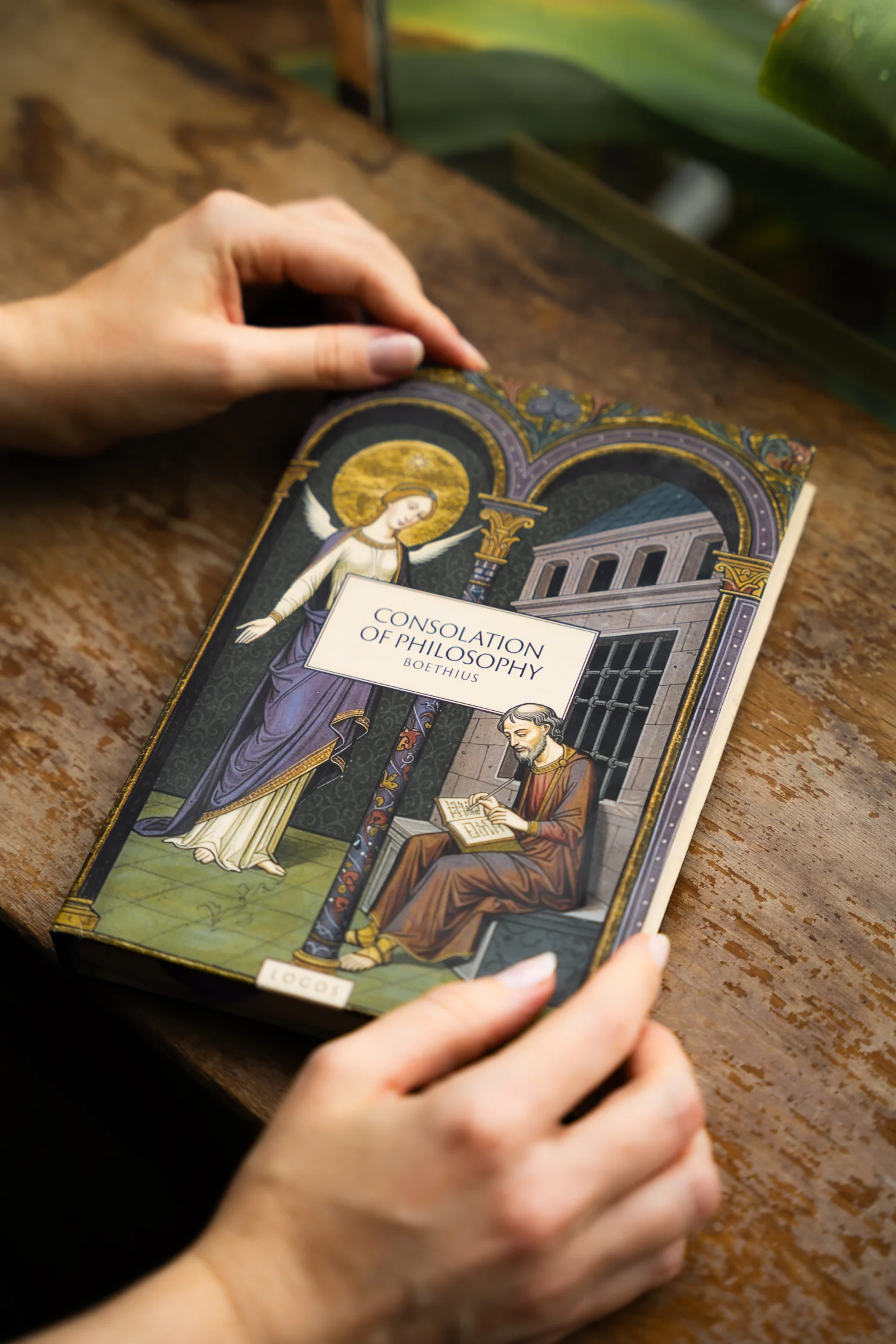
Boethius, Severinus. The Consolation of Philosophy. Translated by Henry Rosher James. Coconut Creek, FL: Logos Publishing, 2026.
Written in the 6th century while its author awaited execution in a prison cell in Pavia, The Consolation of Philosophy transcends a personal lament to become one of the pillars of Western ethics and philosophy. In the Book IV, Boethius confronts Lady Philosophy with the fundamental anguish of the righteous: how explain the omniscient and benevolent God with the apparent triumph of the wicked and the suffering of the virtuous? The response offered by Lady Philosophy is theological and profoundly philosophical, grounded in the premise that evil, being a privation of the Supreme Good, divests the agent of their very essence and power.
The Ontology of Evil and the Loss of Being
The core of Boethius’ argument lies in the definition of "being." For Philosophy, everything that exists seeks the Good as its natural end; therefore, the Good is the substance of existence. The individual who turns away from the Good is not just acting wrongly; they are, technically, ceasing to "be." By abandoning the righteousness that elevates them above the purely animal condition, the vicious man undergoes a spiritual metamorphosis. He preserves the human physical form, but his inner reality is degraded to the level of beasts.
To express this transformation, Boethius employs a series of zoological metaphors that illustrate how specific vices erode human faculties. As stated in the original text:
"Further, since righteousness alone can raise men above the level of humanity, it must needs be that unrighteousness degrades below man’s level those whom it has cast out of man’s estate. It results, then, that you cannot consider him human whom you see transformed by vice. The violent despoiler of other men’s goods, enflamed with covetousness, surely resembles a wolf. A bold and restless spirit, ever wrangling in law-courts, is like some yelping cur. The secret schemer, taking pleasure in fraud and stealth, is own brother to the fox. The passionate man, frenzied with rage, we might believe to be animated with the soul of a lion. The coward and runaway, afraid where no fear is, may be likened to the timid deer. He who is sunk in ignorance and stupidity lives like a dull ass. He who is light and inconstant, never holding long to one thing, is for all the world like a bird. He who wallows in foul and unclean lusts is sunk in the pleasures of a filthy hog." (Boethius, The Consolation of Philosophy, Bk. IV, Pr. III, p. 153)
The Paradox of the Weakness of the Wicked
From this dehumanization follows the second fundamental point of the argument: the apparent "strength" of the wicked is, in truth, a manifestation of their impotence. Boethius argues that real power consists in achieving what one desires (happiness through the Good). Since the wicked fail to reach the actual Good—attaining only fleeting shadows of pleasure or influence—they are unable to fulfill their true will.
Furthermore, Philosophy presents the paradox of "threefold wretchedness." For the wicked, having the power to commit evil is a heavier burden than being prevented from doing so. Success in a crime is not a victory but the pinnacle of their misery, as it seals their degradation. In the original phrasing:
"Accordingly, those whom you see to will, to be able to accomplish, and to accomplish crime, must needs be the victims of a threefold wretchedness, since each one of these states has its own measure of wretchedness." (Boethius, The Consolation of Philosophy, Bk. IV, Pr. IV, p. 159)
In this way, impunity is not a benefit but an additional evil, as it deprives the criminal of the "medicine" of justice that could, in some way, reintroduce an element of a just punishment into their chaotic existence.
Conclusion
Boethius’ perspective inverts the mundane logic of justice. The suffering of the righteous is not a sign of divine abandonment but a discipline; the triumph of the wicked is not an injustice of fate but the final stage of their spiritual self-destruction. By losing virtue, man abdicates his position in the cosmos, becoming an exile from his own human nature. Punishment, therefore, is not something that happens externally, but a state of being that the wicked carry within themselves from the moment they choose vice over reason.
By Peter Webster - Philosophy Teacher and Logos Publishing editor
References
Boethius, Severinus. The Consolation of Philosophy. Translated by Henry Rosher James. Coconut Creek, FL: Logos Publishing, 2026.
How Logos Philosophy Club Supports Your Reading
How Logos Philosophy Club Supports Your Reading
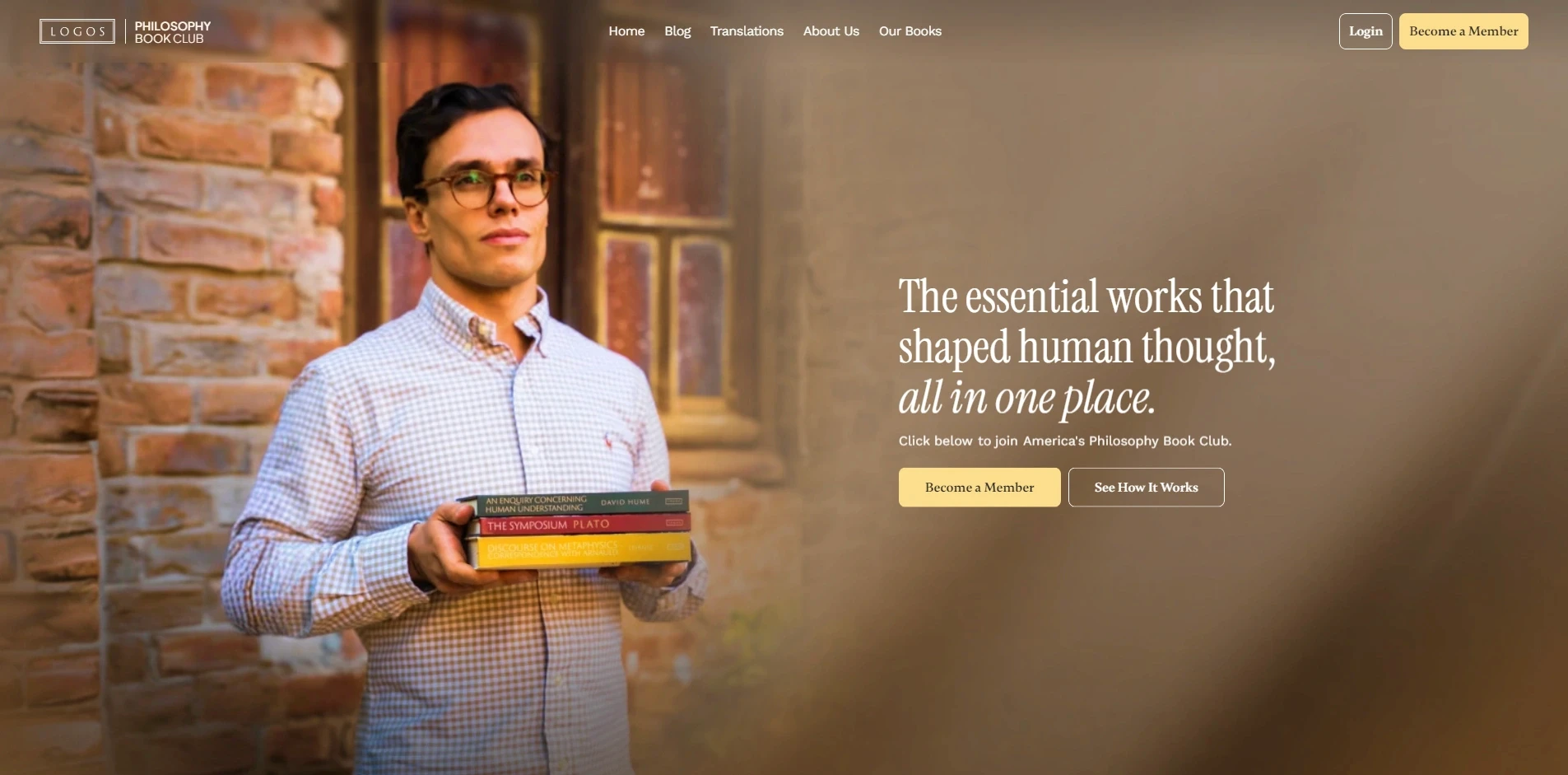
Diving into philosophy on your own can feel like navigating a maze - dense arguments, unfamiliar terms, and complex ideas can leave you feeling stuck. That’s where Logos Philosophy Club steps in, transforming solitary study into a guided and enriched journey. As the first philosophy subscription book club in the U.S. focused exclusively on foundational works, it’s backed by a parent publishing group in Brazil with over 20,000 monthly subscribers.
Each month, members receive bilingual editions of foundational texts, meticulously translated from their original languages. These side-by-side editions allow you to compare the translation with the source text, which is especially helpful when tackling works like Plato’s The Symposium (set for March 2026) or Aristotle’s Nicomachean Ethics (coming December 2025). This format not only enhances understanding but also reflects the club’s dedication to providing high-quality materials.
Tags
Recent Blogs
Biographies
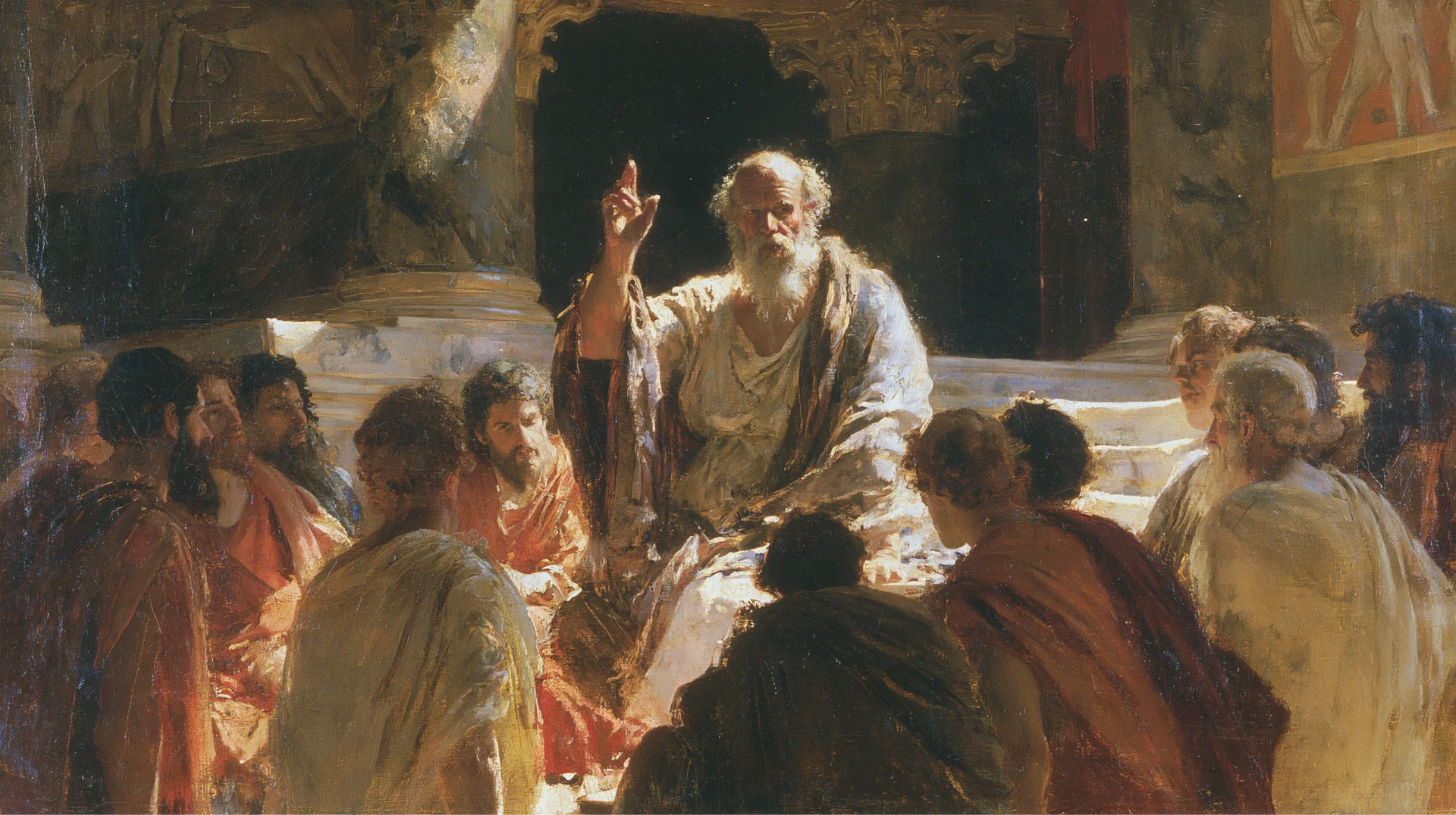
Socrates: the incarnation of philosophy

Metaphysics Logic
How myth made philosophy possible
Subscribe to our newsletter
Subscribe to our newsletter
New editions, new authors, new releases.
Subscribe to our newsletter and be the first to know what’s coming next from Logos Publishing.
Biographies
Socrates: the incarnation of philosophy
Metaphysics Logic
How myth made philosophy possible
In Book XI of the Odyssey, Odysseus descends to the underworld...
Logos Publishing
Metaphysics Logic
How myth made philosophy possible
VIEW ALL ARTICLES