Zarathustra is a solitary figure who descends from the mountains to speak to humanity at the moment its certainties collapse. He arrives after the death of God, when inherited meanings no longer hold and responsibility can no longer be deferred.
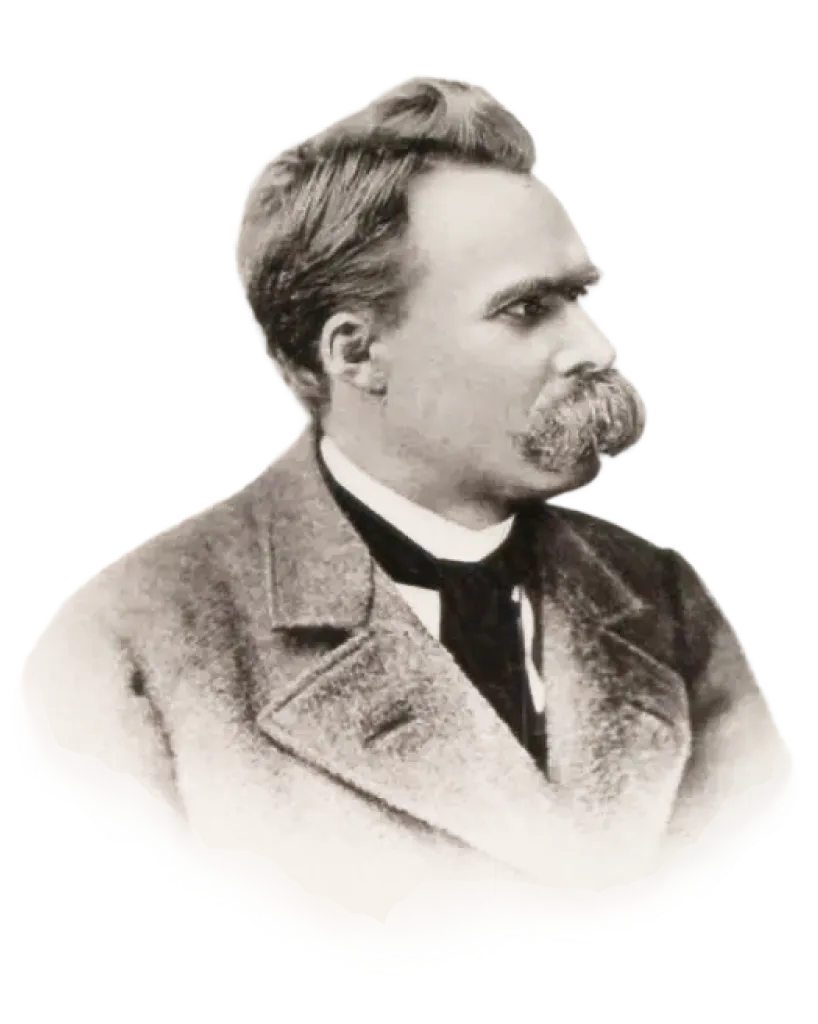
Friedrich Nietzsche writes Thus Spoke Zarathustra in a radically literary style. The book rejects systematic philosophy in favor of image, rhythm, and repetition. Its language echoes scripture, but only to fracture it. Meaning is no longer received; it must be created.
The Übermensch names the task that follows the collapse of transcendence: the creation of values without appeal to a higher world. The will to power names the force beneath moral claims, ideals, and denials. Nothing here is neutral. Every value is a stance toward life.
This is a book written to disturb equilibrium.
Thus Spoke Zarathustra is a radical invitation to take part in the creation of a new humanity.
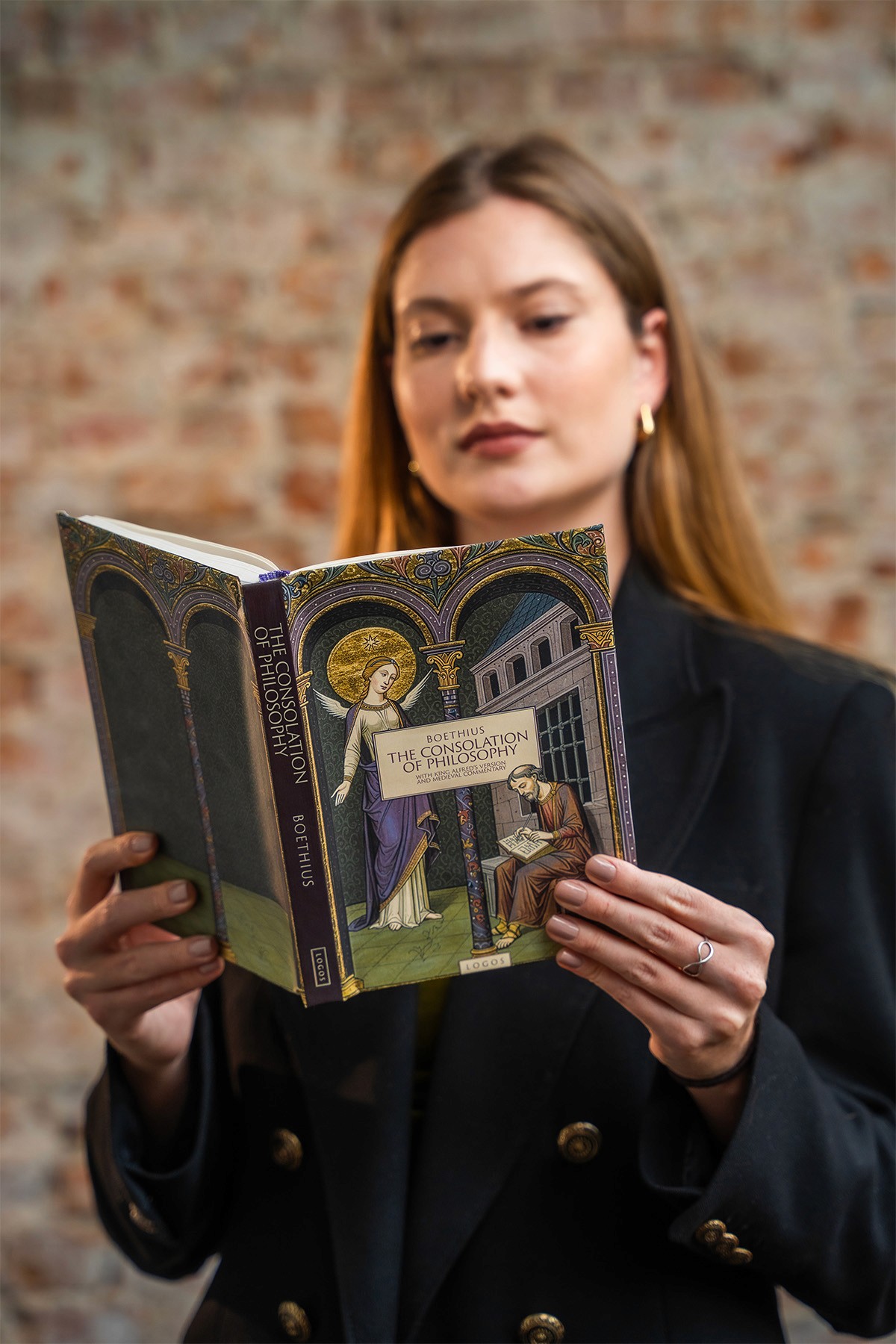
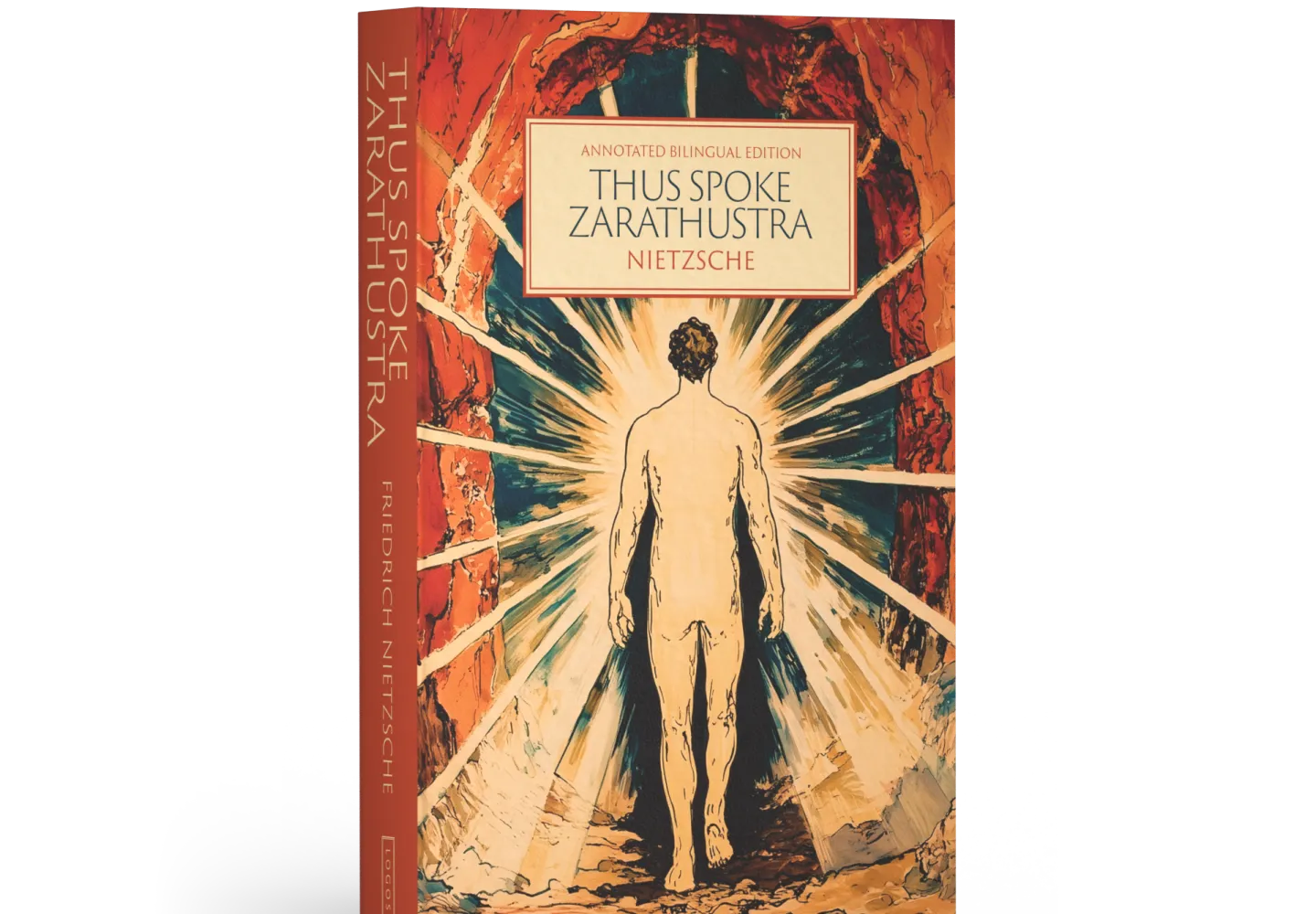
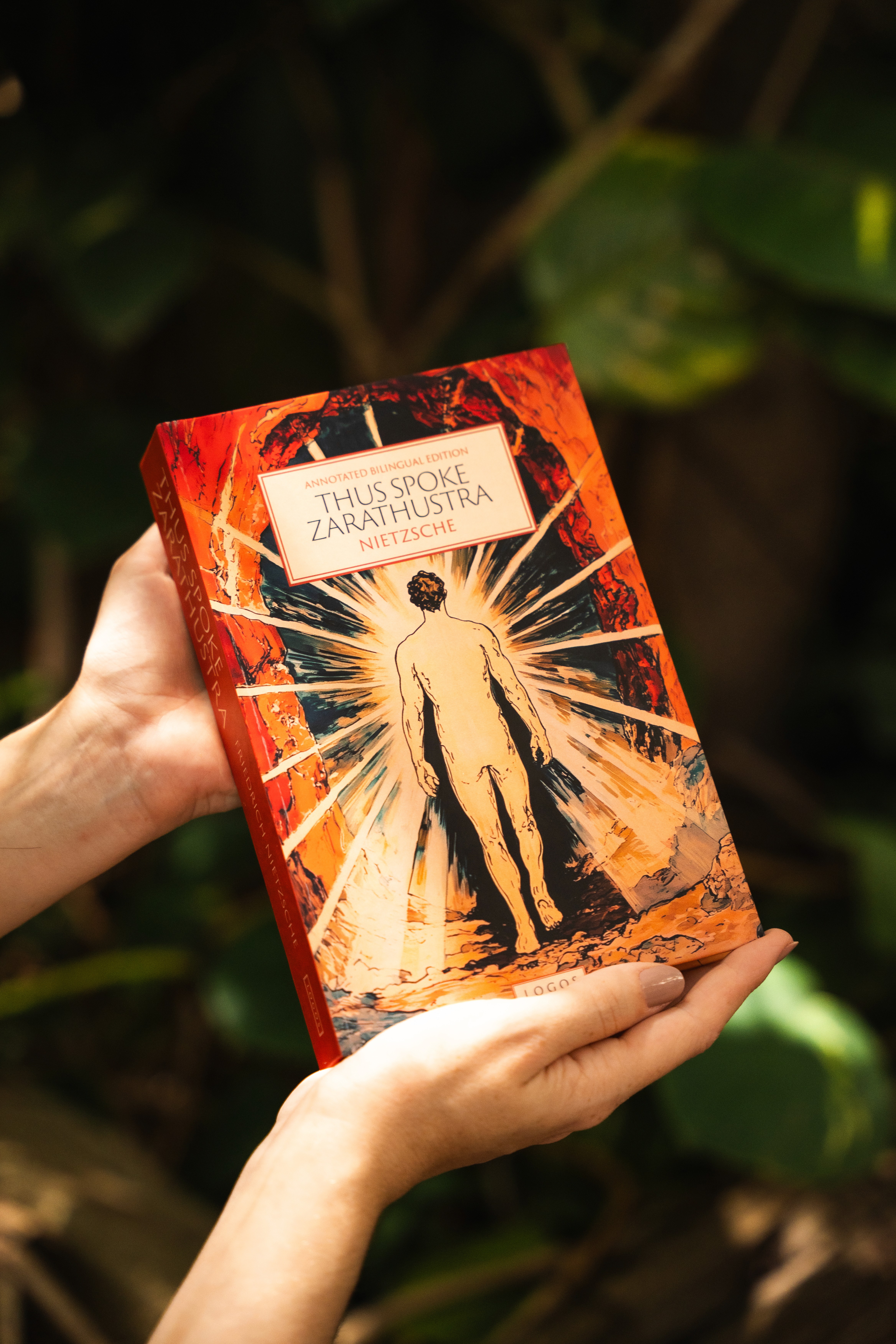
Nietzsche did not write to be easily read. His work is dense and saturated with symbol, image, and allusion. This Logos Publishing edition includes carefully prepared editorial notes designed to guide the reader through one of the decisive milestones of modern philosophy.
Join The Club
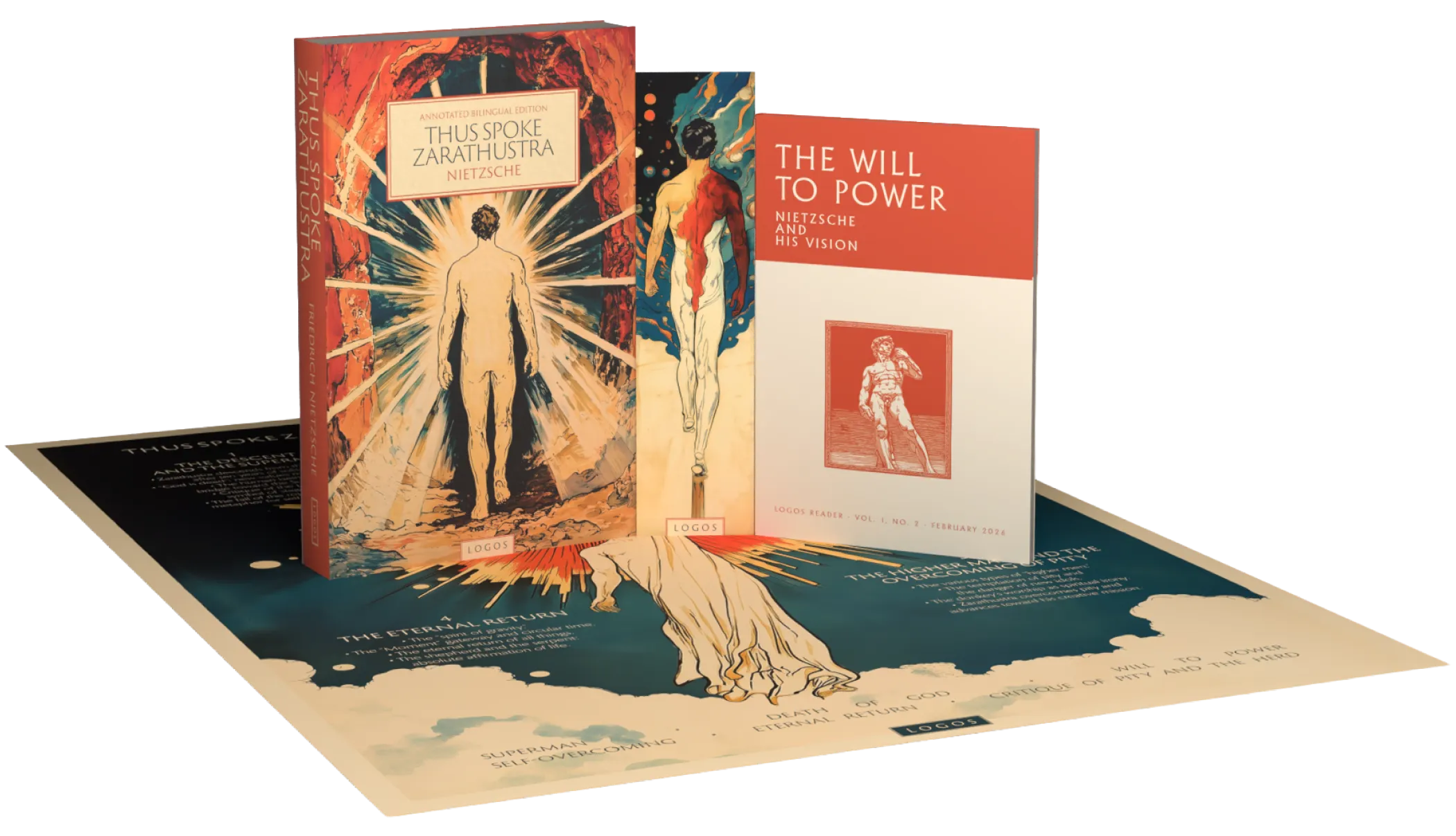
Editorial notes and annotations clarifying symbols, references, and philosophical concepts
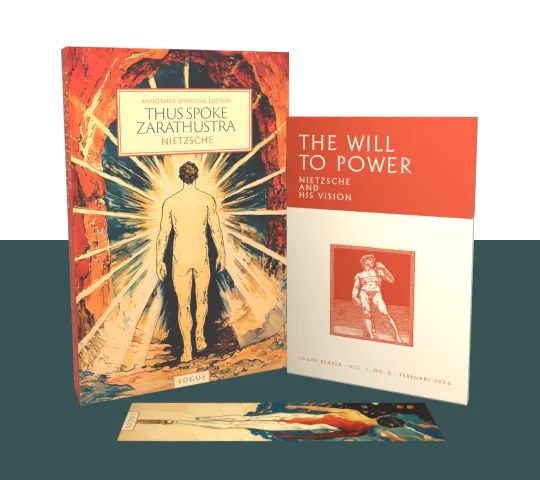
Includes a thematic bookmark and the Logos Reader issue dedicated to Nietzsche and Thus Spoke Zarathustra

Thus Spoke Zarathustra is one of the books that escaped philosophy departments and entered culture itself.
Long before most readers encounter Nietzsche directly, they encounter his influence. His ideas shape the way modern culture talks about individuality, strength, rebellion, and self-creation. Writers, filmmakers, musicians, and artists have drawn from Thus Spoke Zarathustra not as a source of doctrine, but as a source of energy.
Richard Strauss turned Zarathustra into sound.
2001: A Space Odyssey opened with it.
From there, the book’s imagery and themes echoed through cinema, literature, and music.
The language of self-overcoming and the rejection of inherited values shaped figures as different as David Bowie, The Doors, and Tool.
Traces of Zarathustra appear in modern novels, graphic design, album covers, lyrics, and even the way contemporary culture talks about authenticity and identity.
Many people quote Nietzsche without knowing where the words come from. Fewer realize how deeply Thus Spoke Zarathustra shaped the modern imagination.
The idea that life must be created rather than obeyed, that values are made rather than received, and that comfort can be an enemy of growth has become part of cultural common sense.
Yet reading the book itself is a different experience.
Thus Spoke Zarathustra does not flatter the reader. It unsettles, provokes, and resists easy agreement. Its literary form forces engagement. Its voice interrupts habits of thought. For many readers, the book becomes a turning point not because it gives answers, but because it makes passive living impossible.
To engage with Thus Spoke Zarathustra is to return to the source of a cultural current that is still moving—and to decide whether you are merely carried by it, or willing to confront it directly.
Start Membership
Choose your plan