

David Hume's
An Enquiry Concerning
Human Understanding
An Enquiry Concerning
Human Understanding
The ultimate guide to questioning everything you know
Get Your Box Set
and start receiving a philosophy masterpiece every month.

David Hume's
An Enquiry Concerning
Human Understanding
The ultimate guide to questioning everything you know
Get Your Box Set
and start receiving a philosophy masterpiece every month.
Discover what’s inside the box
Discover what’s
inside the box
Details that make the difference:
Details that make the difference:

Annotated edition
The complete text of Hume's Enquiry, carefully edited and annotated for sustained philosophical study, following the authoritative 1777 edition.
Editorial introduction
A comprehensive introduction situating Hume within Enlightenment philosophy, tracing his intellectual formation and his decisive influence on Kant and modern thought.
Letter from Adam Smith
This edition includes Adam Smith's letter recounting Hume's final weeks—his cheerfulness in the face of death and his famous wit about the ferryman Charon.
Glossary and Index
An original glossary of Humean concepts—impressions, ideas, custom, necessary connection—and a selective index, designed to help you navigate the Enquiry's philosophical vocabulary.
Hardcover binding
Durable, premium hardcover with a ribbon marker, designed for sustained intellectual inquiry and a lifetime on your shelf.
Logos Reader included
Includes the custom marker page and a special issue of the Logos Reader dedicated to Hume's empiricism, the science of human nature, and his legacy.
Get Your Box Set
Get Your Box Set
An Enquiry Concerning
Human Understanding
Book review with Joshua Beneventi
Book review with Joshua Beneventi
Get Your Box Set

An Enquiry Concerning Human Understanding
The work that dismantled metaphysical certainty and placed human experience at the center of philosophy.
The work that dismantled metaphysical certainty and placed human experience at the center of philosophy.
Written with a clarity and elegance rare in the history of ideas, the Enquiry is Hume's mature reworking of his radical philosophical project. Where his earlier Treatise of Human Nature had "fallen dead-born from the press," this leaner, sharper text reached a wide audience and secured his place among the giants of Western thought.
Written with a clarity and elegance rare in the history of ideas, the Enquiry is Hume's mature reworking of his radical philosophical project. Where his earlier Treatise of Human Nature had "fallen dead-born from the press," this leaner, sharper text reached a wide audience and secured his place among the giants of Western thought.
At its heart lies a deceptively simple question: what can we actually know? Hume's answer is devastating to centuries of philosophical confidence. We never perceive causation itself—only the constant conjunction of events.
At its heart lies a deceptively simple question: what can we actually know? Hume's answer is devastating to centuries of philosophical confidence. We never perceive causation itself—only the constant conjunction of events.
We never observe a permanent self—only a bundle of fleeting perceptions. We cannot justify induction through reason alone—only through custom and habit. Yet rather than leading to paralysis, these conclusions open the way to a more honest and humane philosophy: one grounded in experience, attentive to the limits of reason, and deeply respectful of common life.
We never observe a permanent self—only a bundle of fleeting perceptions. We cannot justify induction through reason alone—only through custom and habit. Yet rather than leading to paralysis, these conclusions open the way to a more honest and humane philosophy: one grounded in experience, attentive to the limits of reason, and deeply respectful of common life.
The Enquiry moves from the origin of ideas to the problem of causation, from the nature of miracles to the limits of theology, building toward one of the most lucid defenses of empirical inquiry ever written. It is the book that, by Kant's own admission, "interrupted my dogmatic slumber and gave my investigations in the field of speculative philosophy a completely different direction."
The Enquiry moves from the origin of ideas to the problem of causation, from the nature of miracles to the limits of theology, building toward one of the most lucid defenses of empirical inquiry ever written. It is the book that, by Kant's own admission, "interrupted my dogmatic slumber and gave my investigations in the field of speculative philosophy a completely different direction."
Secure Your Copy

David Hume: Where Modern Skepticism begins
Born in Edinburgh in 1711, David Hume is one of the most consequential philosophers in the Western tradition. A student of Newton's method and a critic of Descartes' certainties, he devoted his life to a single audacious project: to apply the experimental method of reasoning to the study of the human mind itself.
His work dismantled the comfortable assumptions of rationalist metaphysics. Causation, the self, religious certainty—each collapsed under his empirical scrutiny, yielding not nihilism, but a more sober and resilient philosophy grounded in experience, sentiment, and the natural habits of human life. To read Hume is to encounter the thinker who forced philosophy to become honest about what it can and cannot know.
Start Reading HUME

David Hume: Where Modern Skepticism begins
Born in Edinburgh in 1711, David Hume is one of the most consequential philosophers in the Western tradition. A student of Newton's method and a critic of Descartes' certainties, he devoted his life to a single audacious project: to apply the experimental method of reasoning to the study of the human mind itself.
His work dismantled the comfortable assumptions of rationalist metaphysics. Causation, the self, religious certainty—each collapsed under his empirical scrutiny, yielding not nihilism, but a more sober and resilient philosophy grounded in experience, sentiment, and the natural habits of human life. To read Hume is to encounter the thinker who forced philosophy to become honest about what it can and cannot know.
Start Reading HUME
David Hume: Where Modern Skepticism begins
Born in Edinburgh in 1711, David Hume is one of the most consequential philosophers in the Western tradition. A student of Newton's method and a critic of Descartes' certainties, he devoted his life to a single audacious project: to apply the experimental method of reasoning to the study of the human mind itself.
His work dismantled the comfortable assumptions of rationalist metaphysics. Causation, the self, religious certainty—each collapsed under his empirical scrutiny, yielding not nihilism, but a more sober and resilient philosophy grounded in experience, sentiment, and the natural habits of human life. To read Hume is to encounter the thinker who forced philosophy to become honest about what it can and cannot know.
Start Reading HUME
Inside the Logos ReadeR
Inside the Logos ReadeR
The Authority of Experience: Hume and the Boundaries of Reason
The Authority of Experience: Hume and the Boundaries of Reason
This issue accompanies the Enquiry with four essays that illuminate Hume not only as a critic of metaphysics, but as a central inspirer of modern thought:
This issue accompanies the Enquiry with four essays that illuminate Hume not only as a critic of metaphysics, but as a central inspirer of modern thought:
"David Hume and the Science of Human Nature" — A Logos Reader original situating Hume's life, intellectual formation, and his enduring project of grounding philosophy in the empirical study of mind.
"David Hume and the Science of Human Nature" — A Logos Reader original situating Hume's life, intellectual formation, and his enduring project of grounding philosophy in the empirical study of mind.
"Mental Association from Plato to Hume" by Howard C. Warren — Situates Hume within the broader development of associationist psychology, showing how his analysis of ideas, causation, and habit brought this tradition to its most rigorous expression.
"Mental Association from Plato to Hume" by Howard C. Warren — Situates Hume within the broader development of associationist psychology, showing how his analysis of ideas, causation, and habit brought this tradition to its most rigorous expression.
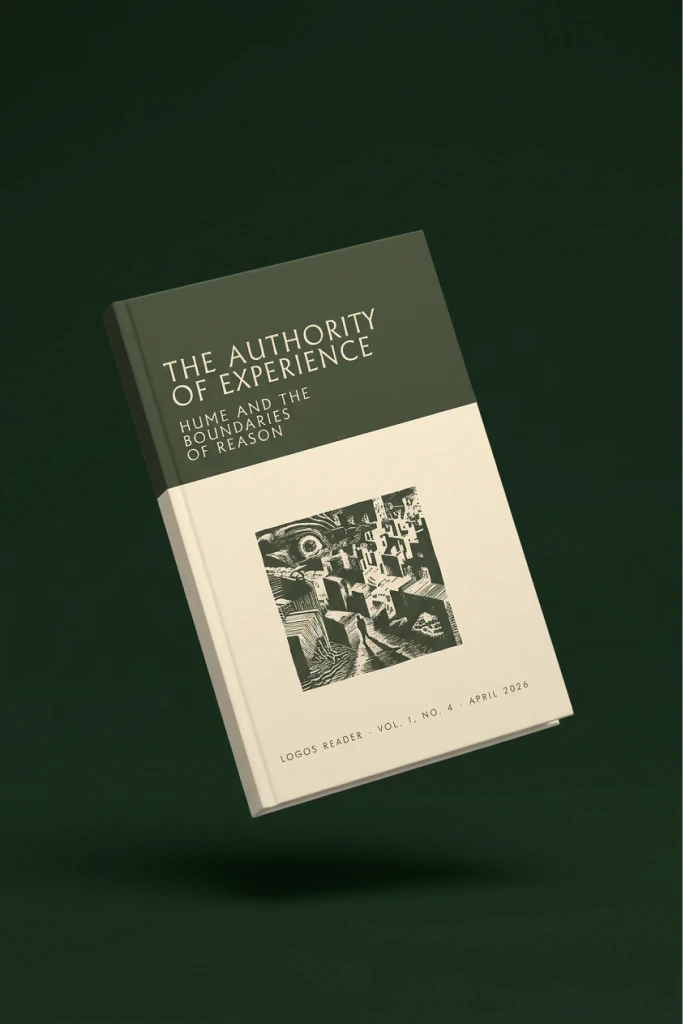
"Kant's Relation to Hume and to Leibniz" by Norman Kemp Smith — Explores the profound impact of Hume's skepticism on Kant, revealing how the critical philosophy emerged from the encounter between empiricism and rationalism.
"Kant's Relation to Hume and to Leibniz" by Norman Kemp Smith — Explores the profound impact of Hume's skepticism on Kant, revealing how the critical philosophy emerged from the encounter between empiricism and rationalism.
"Hume and His Surroundings" by Henry Calderwood — Places Hume within the literary and intellectual world of eighteenth-century Scotland, tracing his character, friendships, disappointments, and gradual rise to international renown.
"Hume and His Surroundings" by Henry Calderwood — Places Hume within the literary and intellectual world of eighteenth-century Scotland, tracing his character, friendships, disappointments, and gradual rise to international renown.
Logos Philosophy Club
Logos Philosophy Club
Every month, a new philosophy box delivered to your door.
Every month, a new philosophy box delivered to your door.
When you join the Logos Philosophy Club, you receive a complete box featuring a foundational work of philosophy each month. Over time, you build a serious philosophical library with high-quality editions—translated directly from the original languages, often annotated, and, when appropriate, presented in bilingual or even trilingual formats.
When you join the Logos Philosophy Club, you receive a complete box featuring a foundational work of philosophy each month. Over time, you build a serious philosophical library with high-quality editions—translated directly from the original languages, often annotated, and, when appropriate, presented in bilingual or even trilingual formats.
A growing international community
A growing international community
A growing international community
The Logos Philosophy Club is the first philosophy subscription book club in the United States dedicated exclusively to delivering foundational philosophical works each month.
The Logos Philosophy Club is the first philosophy subscription book club in the United States dedicated exclusively to delivering foundational philosophical works each month.
It builds on the experience of our publishing group in Brazil, where more than 20,000 subscribers receive our books monthly—an editorial tradition grounded in rigor, consistency, and long-term study.
It builds on the experience of our publishing group in Brazil, where more than 20,000 subscribers receive our books monthly—an editorial tradition grounded in rigor, consistency, and long-term study.
Today, that experience supports an international effort uniting readers, translators, scholars, and publishers across countries.
Today, that experience supports an international effort uniting readers, translators, scholars, and publishers across countries.
Together, readers and publishers sustain a shared mission: to produce high-quality philosophical works—carefully edited, faithfully translated from the original languages, and designed for serious, sustained reading.
Together, readers and publishers sustain a shared mission: to produce high-quality philosophical works—carefully edited, faithfully translated from the original languages, and designed for serious, sustained reading.
This is more than a subscription. It is a commitment to restoring philosophy as a disciplined and living tradition.
This is more than a subscription. It is a commitment to restoring philosophy as a disciplined and living tradition.
Join the Community


HOW DOES IT WORK
COMO FUNCIONA?
Here’s how your subscription works, step by step:
Here’s how your subscription works, step by step:
Start here
Choose the plan that fits you best—monthly or annual.
01
Start here
Choose the plan that fits you best—monthly or annual.
01
02
02
Receive the current release
Receive the current release
Once your subscription is confirmed, you receive the current month’s release.
Once your subscription is confirmed, you receive the current month’s release.
Monthly shipping
From that point on, a new philosophy box is shipped each month. All boxes are dispatched during the month following the release cycle.
03
Monthly shipping
From that point on, a new philosophy box is shipped each month. All boxes are dispatched during the month following the release cycle.
03
04
Read with editorial support
Each edition is carefully produced—translated directly from the original language. Select releases also include the Logos Reader, offering essays, commentary, and scholarly context to deepen your study.
04
Read with editorial support
Each edition is carefully produced—translated directly from the original language. Select releases also include the Logos Reader, offering essays, commentary, and scholarly context to deepen your study.
JOIN THE CLUB

Is This For Me?
Is This For Me?
Is This For Me?
So who is the Philosophy Club for?
So who is the Philosophy Club for?
So who is the Philosophy Club for?
For those who want to engage deeply with the legacy of the greatest thinkers in history.
For those who want to engage deeply with the legacy of the greatest thinkers in history.
For readers who want to build a serious and lasting philosophy library.
For readers who want to build a serious and lasting philosophy library.
For students preparing for university studies or competitive exams.
For students preparing for university studies or competitive exams.
For professionals who understand that excellence requires a broad and rigorous intellectual foundation.
For professionals who understand that excellence requires a broad and rigorous intellectual foundation.
JOIN THE CLUB
JOIN THE CLUB
Explore the works we’ve released so far
Explore the works we’ve released so far
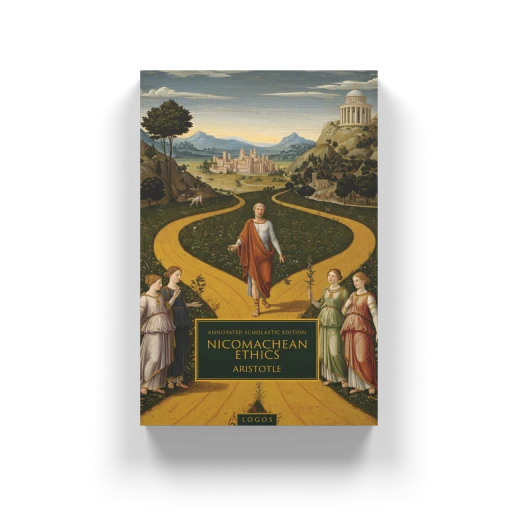
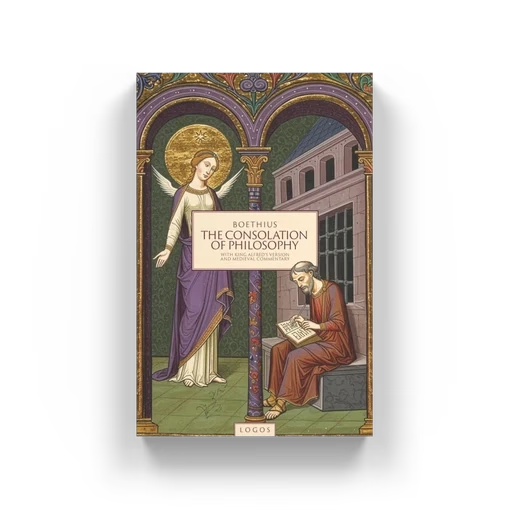

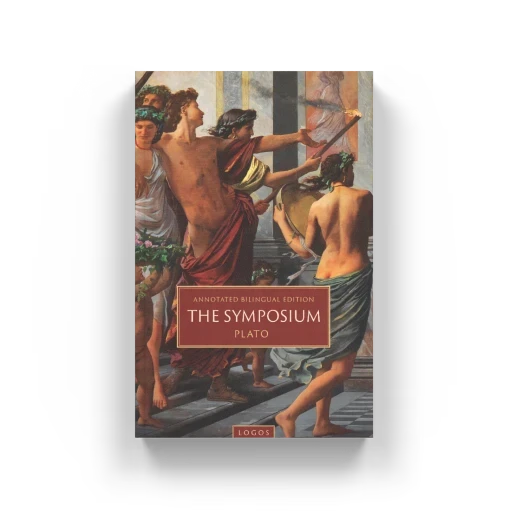





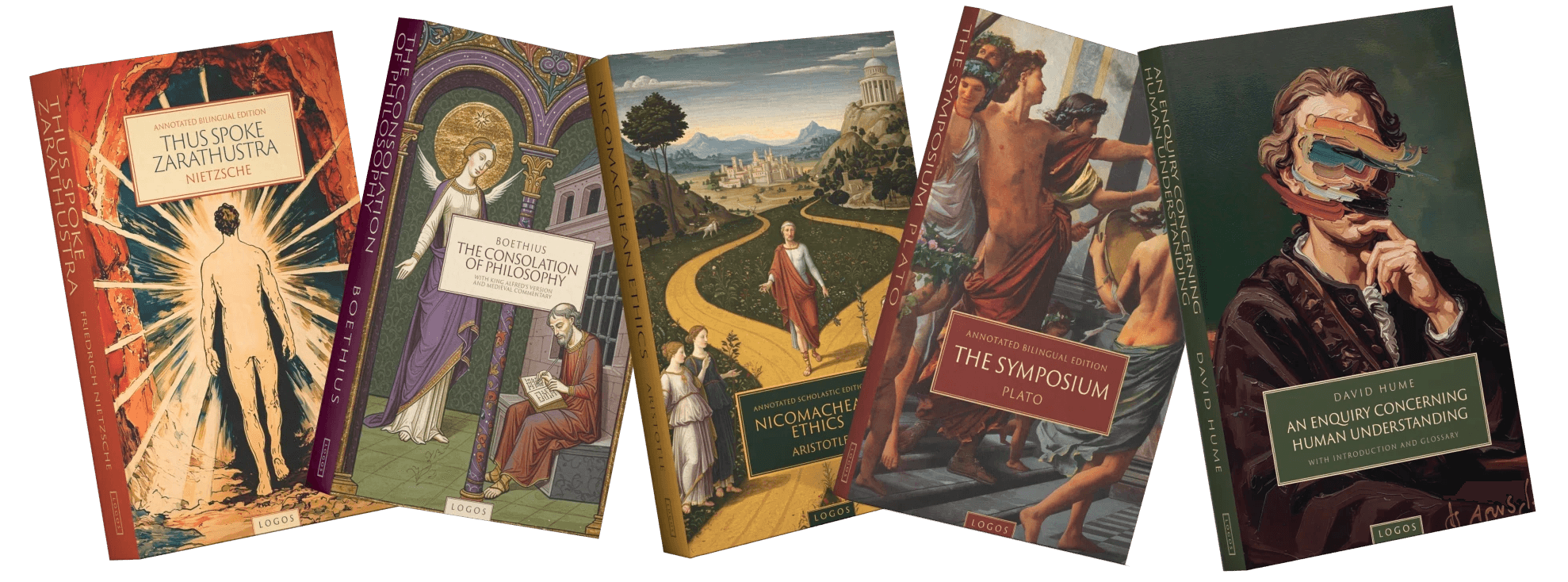
The Logos Philosophy Club publishes major philosophical works, carefully edited and presented in bilingual editions designed for serious study. With an Annual Membership, you receive the current release, gain access to all future editions while your plan remains active, and can purchase past releases at exclusive member pricing.
The Logos Philosophy Club publishes major philosophical works, carefully edited and presented in bilingual editions designed for serious study. With an Annual Membership, you receive the current release, gain access to all future editions while your plan remains active, and can purchase past releases at exclusive member pricing.
JOIN THE CLUB
JOIN THE CLUB
Why join the Club?
Why join the Club?
See what our members have to say
See what our members have to say

John Roche
I love my copy. The book is sturdy and very well bound, but so far the scholastic commentary is the real gem. I laminated the poster and hung it in my classroom. I hope Consolation of Philosophy comes with a poster too!

Nicolás Carreño Román
Wow! This looks like the kind of book
subscription that's worth it!
Wow! This looks like the kind of book subscription that's worth it!

Spencer Simons
Got mine. Love it already. The poster is a nice perk I wasn’t aware of. I’m gonna grab a frame tomorrow and hang it on my bedroom wall.
Frequently Asked Questions
Frequently Asked Questions
Frequently Asked Questions
What am I subscribing to?
When will I receive my books?
When will I receive the next books in the Club?
Is shipping available everywhere in the U.S.?
Will I receive tracking information?
Are taxes and shipping included?
What is the difference between the Monthly and Yearly memberships?
How does billing work for the Yearly Membership?
Will I be charged on the same date every month?
What happens if my payment fails (card declined)?
Can I cancel my subscription?
Can I pause my membership?
Can I switch between Monthly and Yearly?
Do you offer refunds if I forget to cancel?
Can I gift a membership?
How do you choose the monthly books?
Can I skip a month if I already own the book?
What is your returns and damages policy?
Can I change my shipping address after subscribing?
How can I contact support?
What am I subscribing to?
When will I receive my books?
When will I receive the next books in the Club?
Is shipping available everywhere in the U.S.?
Will I receive tracking information?
Are taxes and shipping included?
What is the difference between the Monthly and Yearly memberships?
How does billing work for the Yearly Membership?
Will I be charged on the same date every month?
What happens if my payment fails (card declined)?
Can I cancel my subscription?
Can I pause my membership?
Can I switch between Monthly and Yearly?
Do you offer refunds if I forget to cancel?
Can I gift a membership?
How do you choose the monthly books?
Can I skip a month if I already own the book?
What is your returns and damages policy?
Can I change my shipping address after subscribing?
How can I contact support?
What am I subscribing to?
When will I receive my books?
When will I receive the next books in the Club?
Is shipping available everywhere in the U.S.?
Will I receive tracking information?
Are taxes and shipping included?
What is the difference between the Monthly and Yearly memberships?
How does billing work for the Yearly Membership?
Will I be charged on the same date every month?
What happens if my payment fails (card declined)?
Can I cancel my subscription?
Can I pause my membership?
Can I switch between Monthly and Yearly?
Do you offer refunds if I forget to cancel?
Can I gift a membership?
How do you choose the monthly books?
Can I skip a month if I already own the book?
What is your returns and damages policy?
Can I change my shipping address after subscribing?
How can I contact support?